Washington, DC – President Donald Trump's administration finds itself increasingly at odds with both public opinion and political dynamics as the war on Iran escalates, commencing with significant military action by the US and Israel on February 28. One month into the conflict, a series of polls indicate that public approval for the war has dwindled drastically, amidst rising petrol prices and calls from various quarters for a reassessment of US engagement in the Middle East.
Lawmakers Reluctant to Act
Despite the mounting public disapproval, Congress has shown little initiative towards curtailing Trump’s military actions. The Senate recently failed to pass a War Powers resolution that would limit the President's authority to engage in military conflict without legislative approval. The latest vote concluded at 53-47—mirroring previous attempts to assert congressional authority over military engagement, with Republicans predominantly supporting the administration's war efforts while Democrats pledged to continue weekly votes on the matter.
Even within the Democratic-controlled House, there seems to be hesitance from party leadership to push for a vote that could compel individual members to take a firm stance on a complex global issue. According to Jamal Abdi, president of the National Iranian American Council, many lawmakers are torn between supporting Israel and acknowledging the war's unpopularity.
“There are members of Congress who feel politically trapped,” Abdi remarked. “The support from the pro-Israel lobby complicates their positions, especially considering the war's unpopularity.”
Public Opinion Turns Against the War
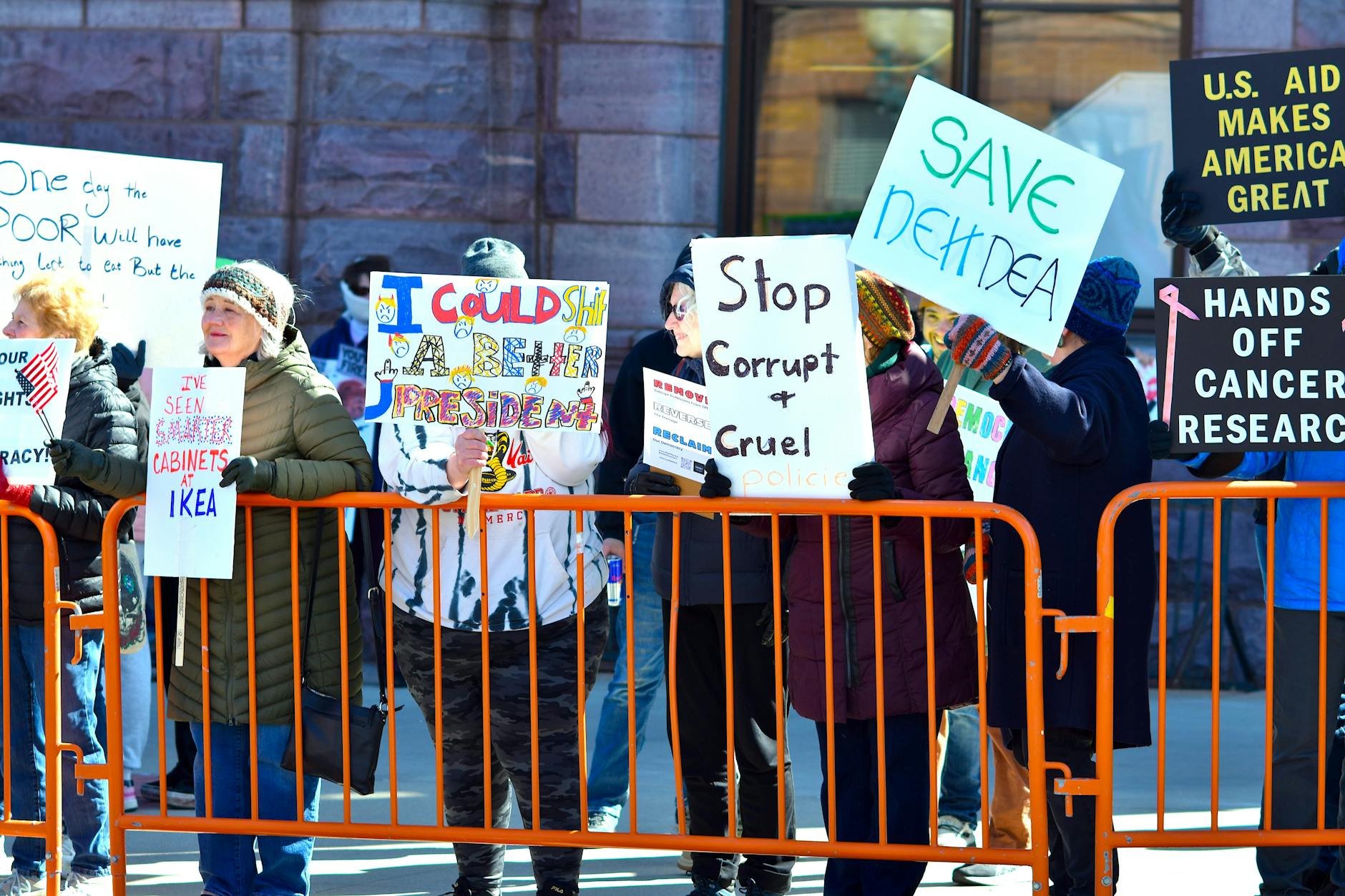
Public sentiment has shifted considerably, with recent polling data illustrating a growing unease among Americans over military intervention in Iran. A Reuters/Ipsos poll revealed that 61% of voters disapprove of the war, compared to just 35% in support. An AP-NORC survey echoed this sentiment, with 59% of respondents rating US military actions as excessive.
Contrastingly, Republicans remain relatively unified in their backing of the war, showing higher approval ratings compared to their Democratic counterparts. However, the situation could change swiftly if the conflict extends into a prolonged engagement marked by rising domestic fuel prices and casualties.
Conflicting Messages from the Trump Administration
Trump has presented mixed messages regarding the war, ostensibly signaling a dual approach of military aggression coupled with snippets of diplomacy. Following criticisms and contradictory claims regarding negotiations with Iranian officials, the Pentagon has sent additional troops to the region, causing skepticism about the administration's intentions.
Republican strategist Eli Bremer emphasized, “Republicans broadly support Trump but understand that rising gas prices and military casualties could jeopardize their political standing in the next elections.”
Diverging Opinions Among Republican Lawmakers
The calls for transparency and accountability have emerged even within the Republican party, as discussions regarding the $200 billion funding request for the war have ignited discord among some lawmakers who argue it contradicts Trump’s “America First” promises. Prominent figures such as Representatives Lauren Boebert and Eric Burlison have expressed reservations about increased military funding.
Amidst rising internal tensions, influential conservative media voices like Tucker Carlson and Megyn Kelly have publicly criticized the war, raising questions about its alignment with Trump's original campaign commitments to disengage from prolonged conflicts.
The Long Game: Repercussions Ahead?
Political analysts suggest that the war’s length and nature will significantly impact its political repercussions. Much of the conflict has so far relied on air strikes, limiting American military casualties, thereby providing the Trump administration with a buffer against rising public disapproval. However, if the US encounters extended military engagements with increased casualties and escalated fuel prices, both public sentiment and Republican support could waver.
Michael Ahn Paarlberg, a political science professor, noted, “The ongoing public skepticism of the US-Israel alliance will play a pivotal role in shaping future political landscapes.”
As the midterm elections approach, Republican lawmakers face a challenging balancing act: sustaining support for Trump while accounting for constituents’ grievances over war and its economic implications. The dynamics within the GOP could shift sharply depending on the war’s outcomes—a reality that both party leaders and the Trump administration must contend with moving forward.
Conclusion
As the situation unfolds, the potential for further public backlash grows. Observers note the importance of monitoring not only the administration’s military objectives but also public sentiment, which may dictate an unpredictable turn in political alignments as America navigates yet another complex foreign entanglement. As the conversation surrounding the war on Iran intensifies, lawmakers must reckon with the implications of their choices in an increasingly scrutinized global landscape.