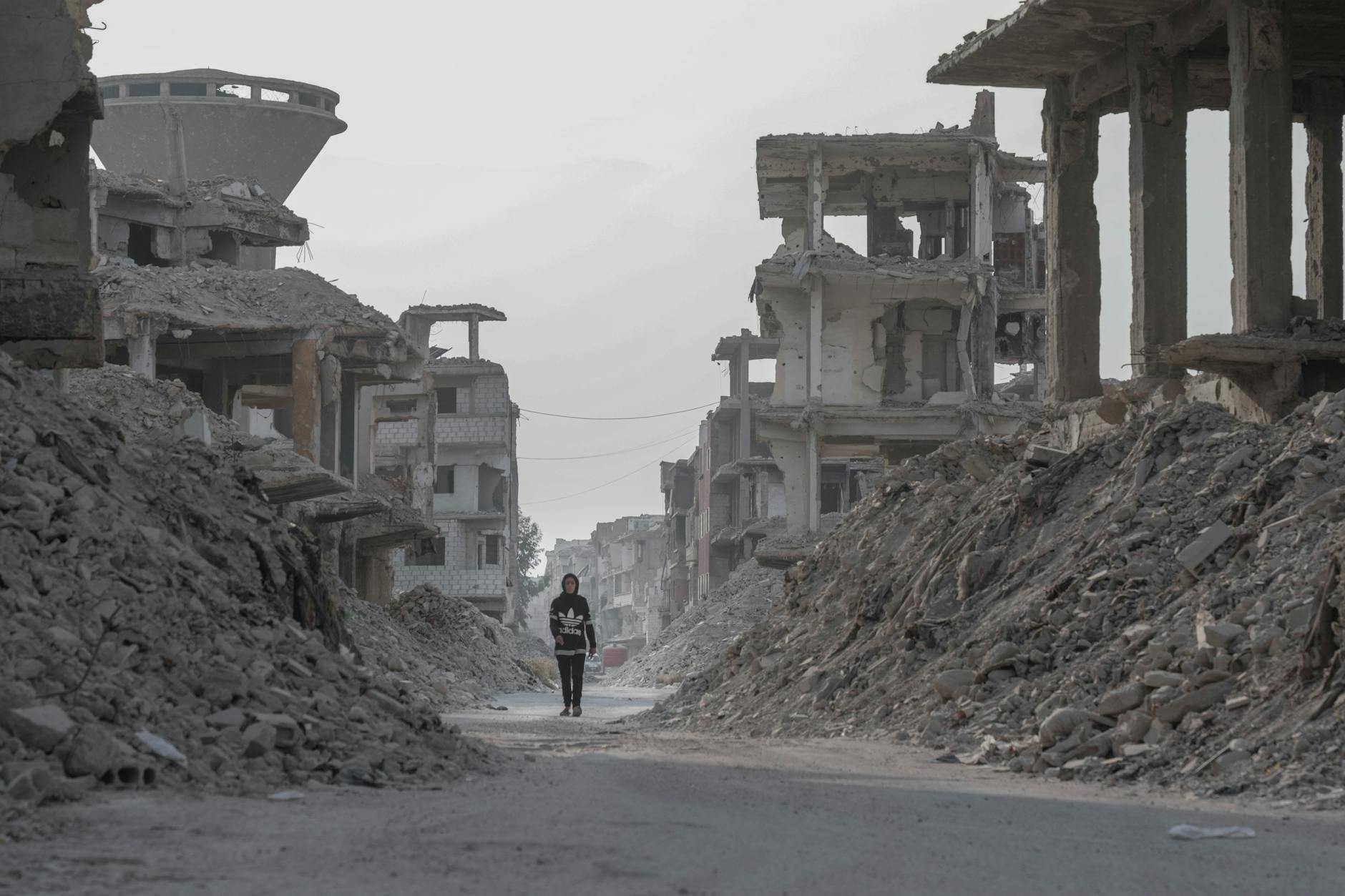
As tensions in the Middle East reach an alarming crescendo, former President Donald Trump has recently addressed the situation, suggesting the United States is close to "winding down" military operations against Iran. However, just hours later, Iran's military actions and Israel's retaliatory strikes have set the stage for a volatile confrontation in the region.
Trump Declares US Intentions
In a press statement, Trump stated that the ongoing conflict in the region could end soon, hinting that the responsibility to safeguard the Strait of Hormuz, a critical passage for global oil shipments, now rests on other nations. "It is up to those nations to ensure the safety of this vital route against Iranian aggression," he said. However, the prospects for peace remain elusive, as Iranian officials threaten to expand their operations beyond military targets, specifically into recreational and tourist sites affiliated with nations they consider "enemies."
Casualties and Damage from Attacks
Two days ago, the conflict escalated significantly when Israeli attacks in Lebanon reportedly left over 20 people dead and nearly 60 injured. This incident was part of a broader Israeli air campaign targeting supposed threats from Iranian-backed groups in Lebanon and Syria. In a particularly heart-wrenching event, families gathered to mourn at the graves of children killed in an earlier US-Israeli attack on a girls' primary school in Iran, which tragically claimed the lives of more than 170 people, most of whom were children. Photos from the memorials showcased the profound sorrow and loss felt by devastated families, reflecting the tragic consequences of these ongoing hostilities.

Explosions Rock Iranian Capital
Reports indicate that several explosions were heard across Tehran, specifically in districts like Ekbatan and Olympic Village. These blasts coincided with the sounds of fighter jets above, intensifying fears of further military actions. Although initial reports did not confirm casualties or structural damage, the echoes of these explosions added to the air of anxiety within the Iranian capital.
Israeli Military Actions Intensifying
Meanwhile, Israel has engaged in an aggressive air campaign, targeting locations in Tehran as well as southern Beirut, where civilians were ordered to evacuate by the Israeli military. The areas affected include suburbs known to harbor Hezbollah positions. Israel claims that its airstrikes target the "Iranian terror regime," aiming to dismantle operational capabilities linked to missile and drone threats posed by Iranian proxies.
Iran Responds with Missile Strikes
Amid these developments, Iranian officials confirmed that their military had launched ballistic missiles aimed at the US-UK military base on Diego Garcia. These missiles reportedly targeted the facility housing crucial military operations supporting US interests in the region. Iranian leadership signaled their commitment to counter any foreign military threat responding to attacks on Iranian territory. Iranian Foreign Minister Abbas Araghchi stated that while the Strait of Hormuz remained open, negotiations with nations like Japan would determine the security of foreign vessels passing through.
The Global Implications of Ongoing Conflict
The continuing cycle of retaliation reveals the stark reality of the ongoing hostilities in the Middle East. With over 90% of Japan's crude oil imports reliant on passage through the Strait of Hormuz, any disruption could have far-reaching economic consequences. The geopolitical implications become even more complex as various armed groups in Iraq reportedly target US interests, leading to an escalation in violence.
As the world watches closely, the situation remains tenuous, with further military actions likely to provoke an even larger and more devastating conflict. The need for diplomatic intervention has never been more urgent as the toll of warfare continues to engulf innocent lives in its wake.
Related Articles
- Israeli strikes target Tehran after attacks on Beirut
- Iranian-backed armed groups threaten US interests in Iraq
In this volatile climate, clarity and commitment to a peaceful resolution are essential to avoid a full-scale regional war as tensions between these nations reach historic heights.