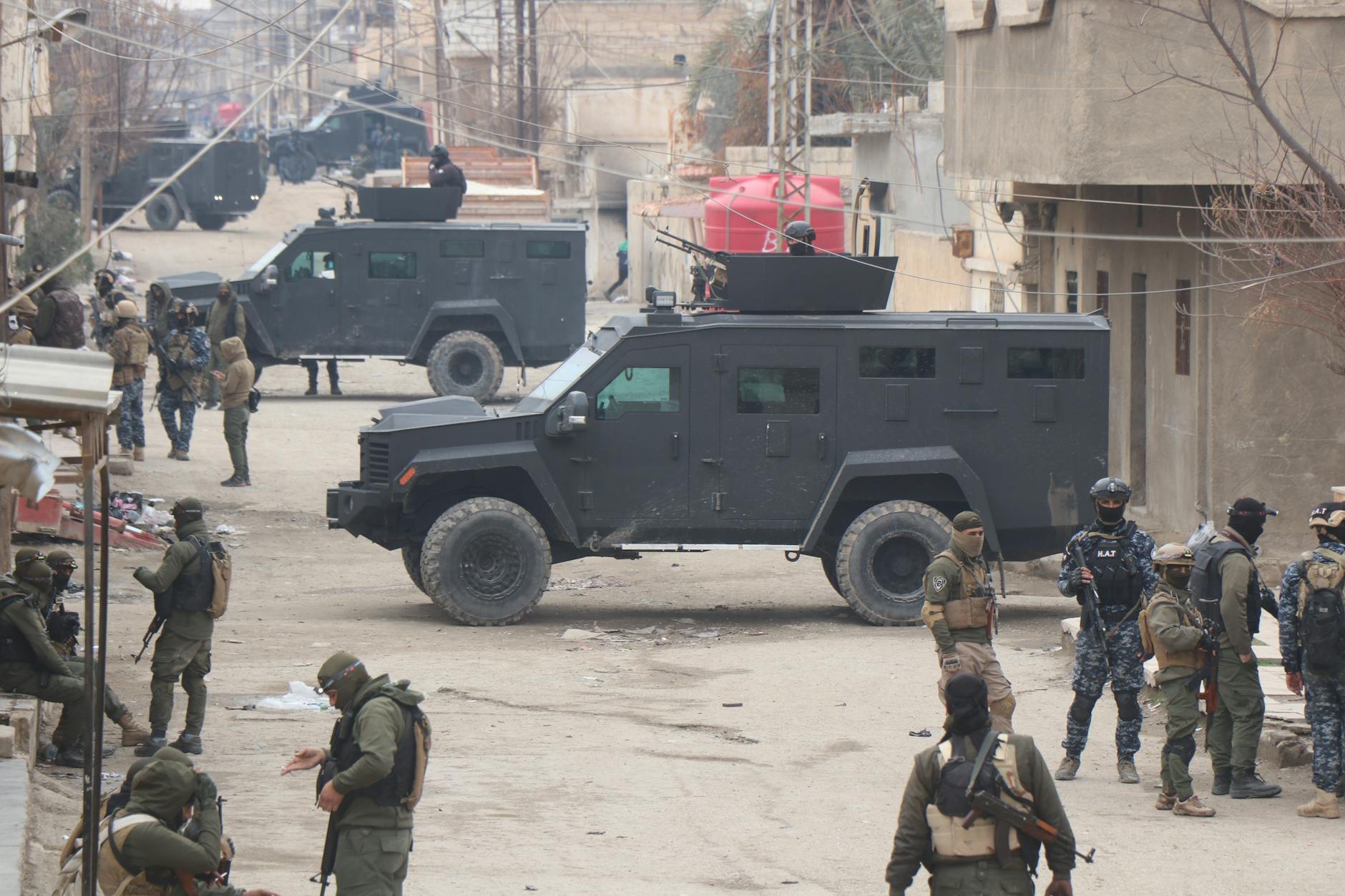
As conflict escalates between Israel and Iran, Lebanon’s Health Ministry reported that Israeli attacks have resulted in at least 773 fatalities. This alarming casualty count comes amid rising tensions throughout the region, with both sides utilizing significant propaganda campaigns to sway public opinion and secure domestic support.
Casualties and Conflict Dynamics
The catastrophic death toll from the ongoing Israeli attacks demonstrates the conflict's deepening impact on civilians. As covered by various news outlets, these events happen in the wake of escalating confrontations in Iraq, where a recent U.S. military aircraft crash killed six personnel. The circumstances surrounding these incidents highlight a complex battlefield, characterized not only by military engagements but also by information warfare.
In the last 48 hours, Iranian-operated media outlets claimed victory, most notably after the U.S. reported an aircraft crash, resulting in a flurry of narratives regarding Iranian militia involvement. Media personalities, including Pete Hegseth, have declared the U.S. and Israeli military’s superiority in terms of air strikes, contrasting sharply with Iranian claims of concealed operations.
A Surge of Propaganda from Both Sides
According to Osama Bin Javaid of Al Jazeera, both the U.S. and Iranian authorities are engaged in robust propaganda efforts to showcase their military prowess. Iranian forces have been active in countering claims of U.S. and Israeli dominance, with Iranian leaders participating in al-Quds Day celebrations to bolster national morale.
“Both sides are in a battle not just for military advantage but also for the narrative,” says Bin Javaid. This propaganda war complicates public understanding of the facts on the ground, making it increasingly challenging to discern credible reports from sensational claims.
Military Movements and Strategic Concerns
The outbreak of violence has broader implications for regional security. Notably, the U.S. plans to deploy about 2,200 Marines to the Middle East, a move intended to bolster military operations amid the growing conflict with Iran. This deployment underscores the heightened military readiness of the U.S. as tensions rise, confirming reports that the Marines will be stationed on naval vessels capable of conducting various operations.
The situation is exacerbated by the imminent threat posed by Iran-linked groups in Iraq, who have announced a financial incentive for information regarding U.S. military personnel. As these forces ramp up their activities, security becomes a mounting issue for both local populations and foreign nationals in the region.
Economic Ramifications and Security Measures
The conflict has also prompted concerns about economic stability and domestic security in Gulf countries, particularly the UAE and Qatar. The UAE’s General Civil Aviation Authority reported that air traffic has resumed to 44% of pre-war levels, signaling a cautious return to normalcy. However, incidents of shrapnel from Iranian missiles reported in central Israel highlight the unresolved risks stemming from the conflict, which could further destabilize logistics and economic activities in the Gulf region.
In response to these security threats, Qatar's Interior Minister Sheikh Khalifa bin Hamad assured the public that the country has sufficient food and water reserves to withstand disruptions from the Iranian blockade on the Strait of Hormuz.
"We are closely monitoring the situation, and our strategic water reserves can last months, with food supplies sufficient for over a year," asserted Sheikh Khalifa. Such statements aim to alleviate public anxiety as fears over essential supply shortages emerge.
Conclusion: The Path Ahead
As the conflict intensifies, the intertwining narratives of propaganda, military posturing, and geopolitical positioning suggest that the region's stability hangs by a thread. The situation remains fluid, and while military movements indicate preparedness for escalated confrontation, the potential for dialogue diminishes as each side seeks to consolidate its narrative and objectives.
As analysts and citizens alike parse through claims and counterclaims, the reality on the ground remains fraught with uncertainty, underscoring the urgent need for diplomatic efforts to restore peace and avert further loss of life in an already volatile region.
For ongoing updates and in-depth reporting, follow our coverage on this developing story.