In a dramatic turn of events, Pakistan has officially declared an "open war" against the Taliban government of Afghanistan. This announcement comes amid rising tensions and violent clashes along the border, signaling a major escalation in a long-standing conflict that has historically seen both nations at odds.
Pakistan's Armed Forces Initiate Firm Response
On February 26, 2026, Pakistani Prime Minister, Imran Khan, stated that the country's armed forces are now positioned to "firmly confront any aggression" from the Afghan Taliban. This declaration follows reports of increased cross-border incursions and attacks attributed to the Taliban, which have alarmed Pakistan's military leadership.
Background of the Conflict
The border between Pakistan and Afghanistan has been a flashpoint for violence and unrest for years. Following the Taliban's resurgence in Afghanistan, there has been a notable surge in militant activities that Pakistan claims have originated from Afghan territory. The Taliban’s growing influence has left Pakistan scrambling to secure its borders as fears mount over the potential rise of separatist movements within its northwest provinces.
Recent statements from Afghanistan claim that its forces have undertaken "large-scale offensive operations" to counter what they perceive as external aggression from Pakistan. As both sides bolster their military presence along the border, regional peace faces a precarious balance.
International Response and Regional Implications
The deteriorating security situation between Pakistan and Afghanistan raises significant concerns for neighboring countries and international stakeholders. Observers have noted that the resurgence of violence could destabilize an already volatile region. Diplomatic efforts for de-escalation remain critical, yet there is little indication that either side is willing to back down.
The United Nations has called for immediate dialogue to address the underlying issues before the situation spirals further out of control. Referring to the conflict, a UN spokesperson noted, “Both nations must recognize the crucial need for open communication to prevent further loss of life.”
The Human Cost of War
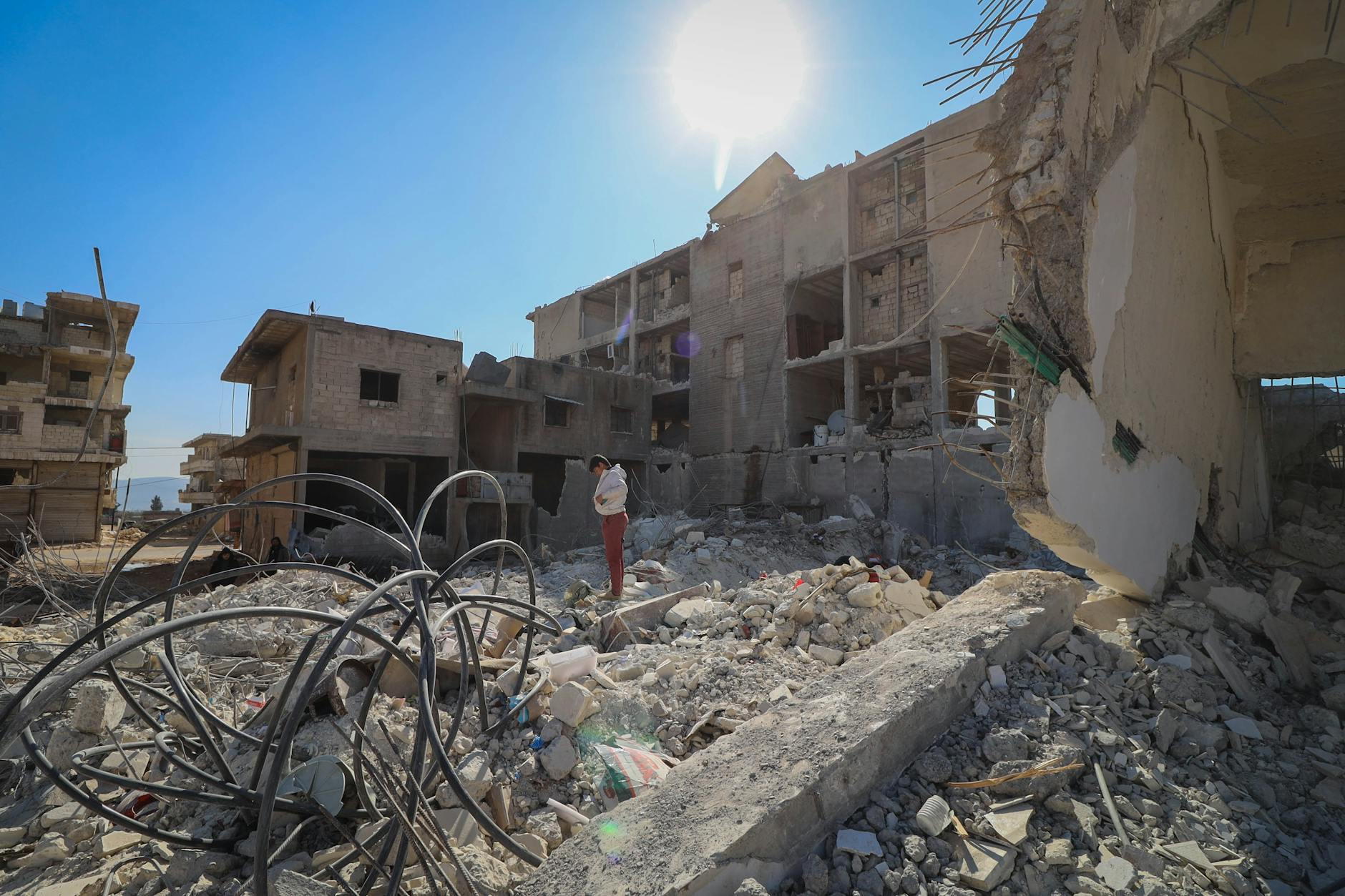
As the rhetoric intensifies, so too does the suffering of civilians in both nations. Reports indicate an increase in forced displacements along the border, with families fleeing their homes in search of safety. Humanitarian organizations are struggling to provide aid and address the rising needs, as resources dwindle in the face of ongoing skirmishes.
Pakistani authorities have reported an uptick in casualties due to cross-border attacks, while Afghan civilians caught in the crossfire have also borne the brunt of this conflict. The spiraling violence underscores a tragic reality: historical grievances and political machinations continue to exacerbate the plight of ordinary people.
Future Outlook
The looming threat of an extended conflict remains palpable, with neither party showing signs of willingness to concede. Pakistan's military strategy will likely involve strengthening border defenses and conducting operations against militant strongholds identified within Afghan territory.
In Afghanistan, the Taliban's grip on power and military objectives appear unwavering, as they aim to assert their authority both domestically and regionally. The international community watches closely as tensions rise, hoping for a resolution through diplomacy rather than further violence.
As this situation continues to evolve, both governments must face the urgent calls for peace amid a war that threatens to engulf not just their nations but jeopardize the stability of the entire region. The pathway ahead remains fraught with challenges as both sides navigate the treacherous waters of conflict and diplomacy.
For ongoing coverage related to the evolving situation, stay tuned to our news portal as we bring updates and analysis on one of the most critical international issues of our time.