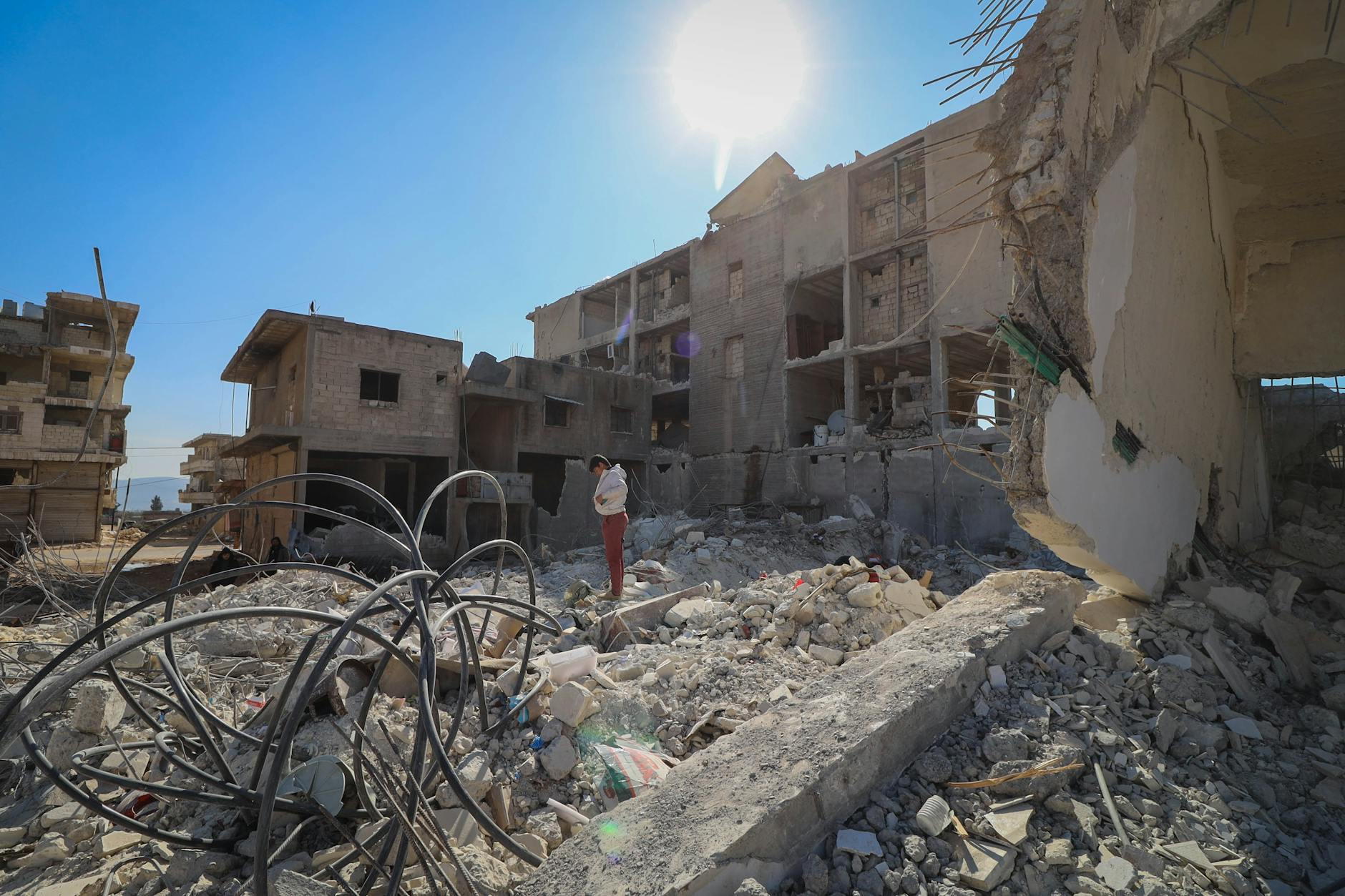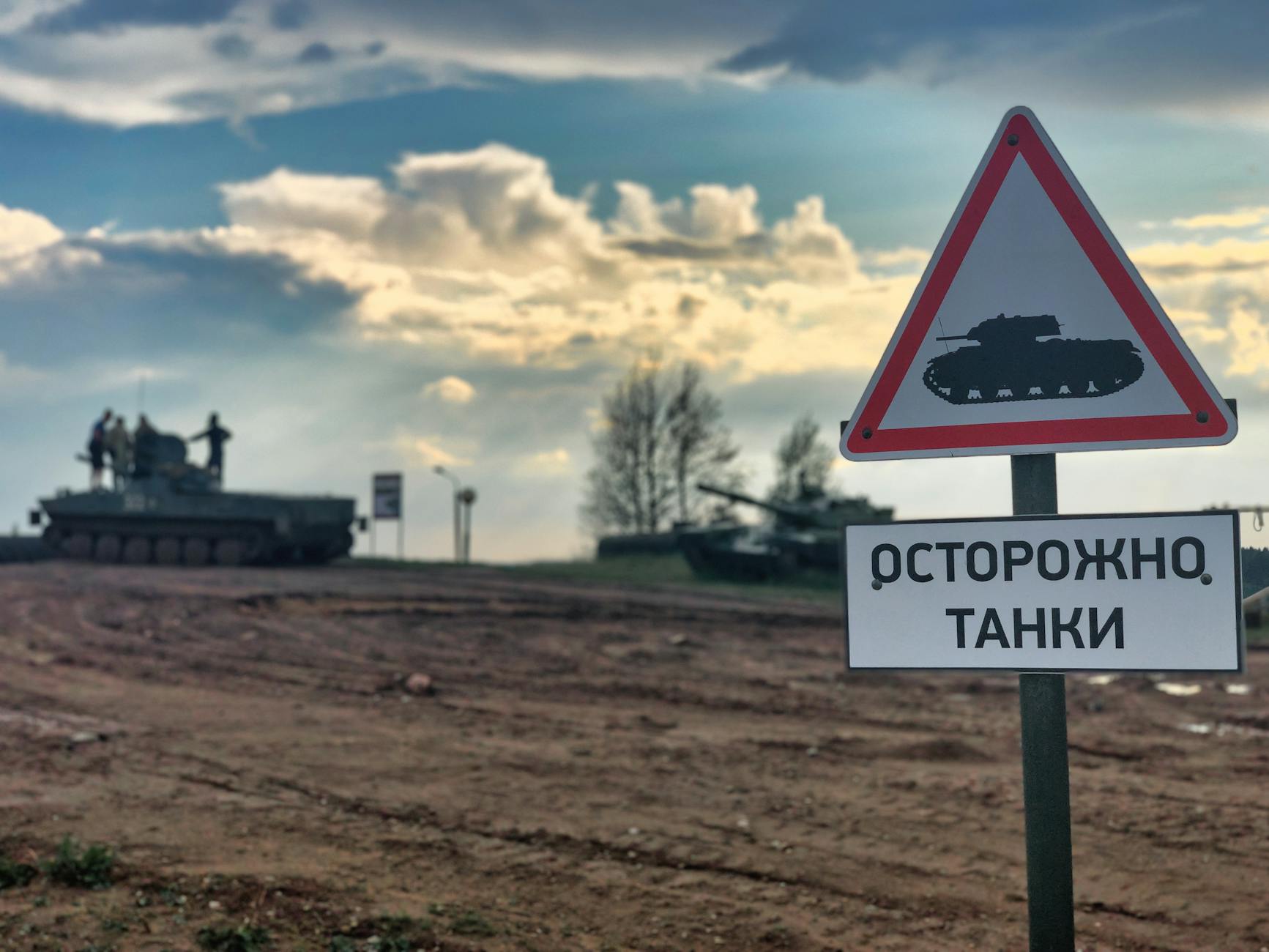
In a stark warning, U.S. Secretary of Defense Pete Hegseth announced that the United States is preparing to escalate its military actions against Iran as tensions reach a boiling point. Speaking at a press conference on April 6, 2026, Hegseth outlined plans for what he described as the "largest volume of strikes" on Iranian targets since the outbreak of the recent U.S.-Israeli conflict.
Context of the Conflict
The situation is deeply rooted in longstanding geopolitical rivalries, particularly concerning the crucial Strait of Hormuz, which is a vital conduit for global oil supplies. The reintensified hostilities appear to be driven by Israel's targeting of Iranian military officials, including the recent assassination of the IRGC intelligence chief, Majid Khademi. These escalations have led to a vehement response from Tehran, which has publicly rejected proposals for direct negotiations with the U.S. and Israel while perceiving their military actions as hostile provocations.
In the lead-up to Hegseth's announcement, Iranian officials reiterated that they will not engage in diplomacy under the current climate of military aggression. Tensions have soared since the U.S. issued a deadline for Iran to reopen the Strait of Hormuz, a move that has been met with defiance from Tehran.
The Impending Deadline
With a looming deadline set by President Trump for Iran to reestablish operations in the Strait of Hormuz, Hegseth's remarks signal a precarious moment in international relations. Should Iran fail to comply, military action could intensify dramatically. “Tomorrow could be even worse,” Hegseth stated, underscoring the immediate pressure on Iranian leadership.
The implications of such military action could reverberate across global markets and politics, particularly given the strategic importance of the Strait of Hormuz. Approximately one-fifth of the world's oil supply passes through this narrow waterway, making stability in the region critical for energy security worldwide.
Regional Reactions
As the eyes of the world remain fixed on this volatile situation, regional players are also responding proactively. Iran has mobilized its military, emphasizing its readiness to protect its territorial waters. Additionally, other Gulf states are closely monitoring developments, fully aware of the potential for conflict to escalate, drawing in multiple nations from across the globe.
Observers have raised concerns that increased military hostilities might exacerbate sectarian tensions and destabilize the already fragile Middle Eastern geopolitical landscape. Diplomatic channels remain strained, but analysts argue that sustained dialogue may offer a pathway to de-escalation, albeit one that currently seems unlikely.
Conclusion
The prospect of conflict looms larger than ever as both the U.S. and Iran prepare for an uncertain future. With military action on the horizon, the stakes are higher for all parties involved. The coming days will be critical, not only for U.S.-Iranian relations but also for global peace and stability.
For ongoing coverage of this developing story, stay tuned to Al Jazeera and other reputable news outlets as they report on the rapidly changing landscape of international relations in the Middle East.