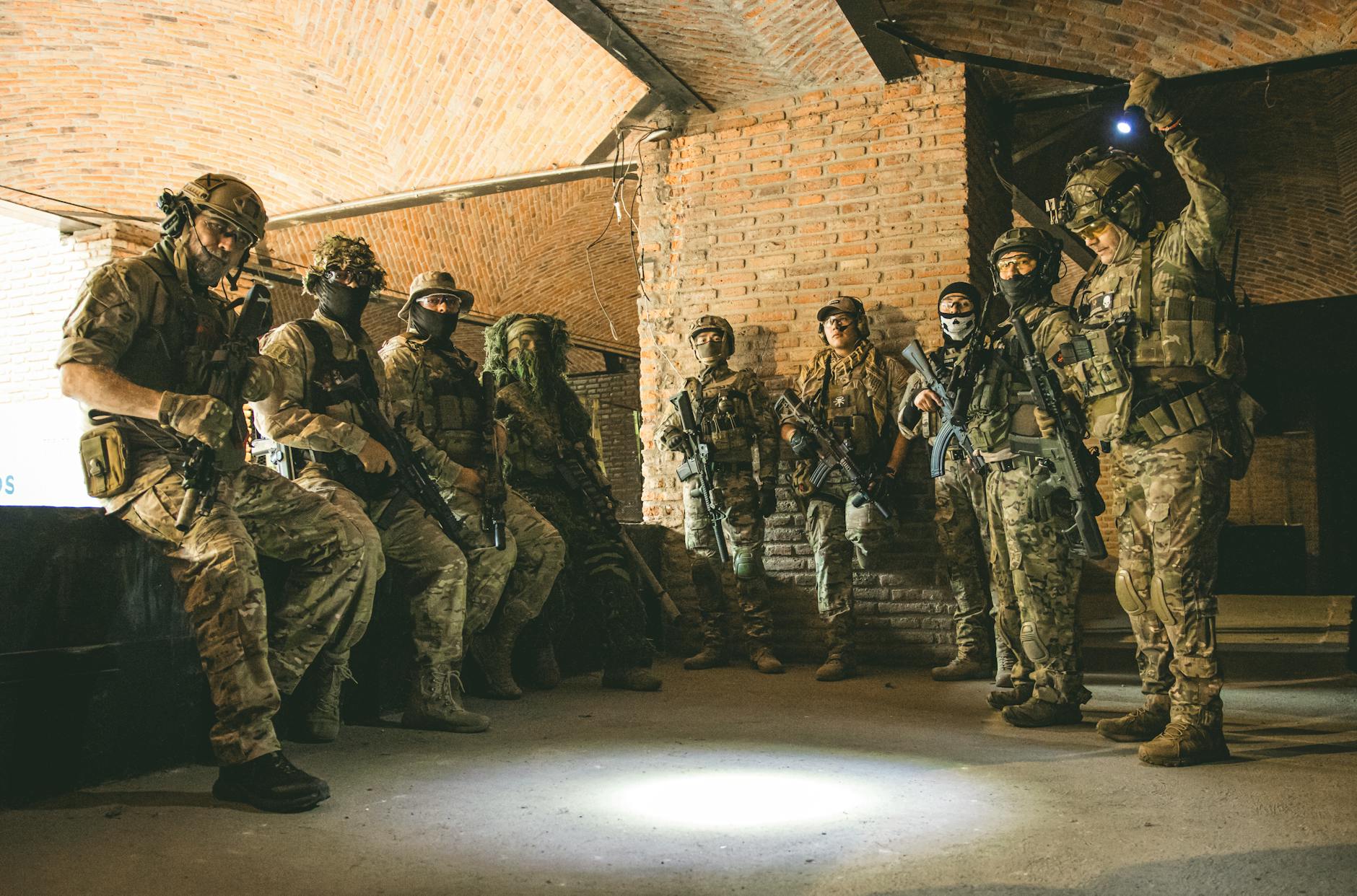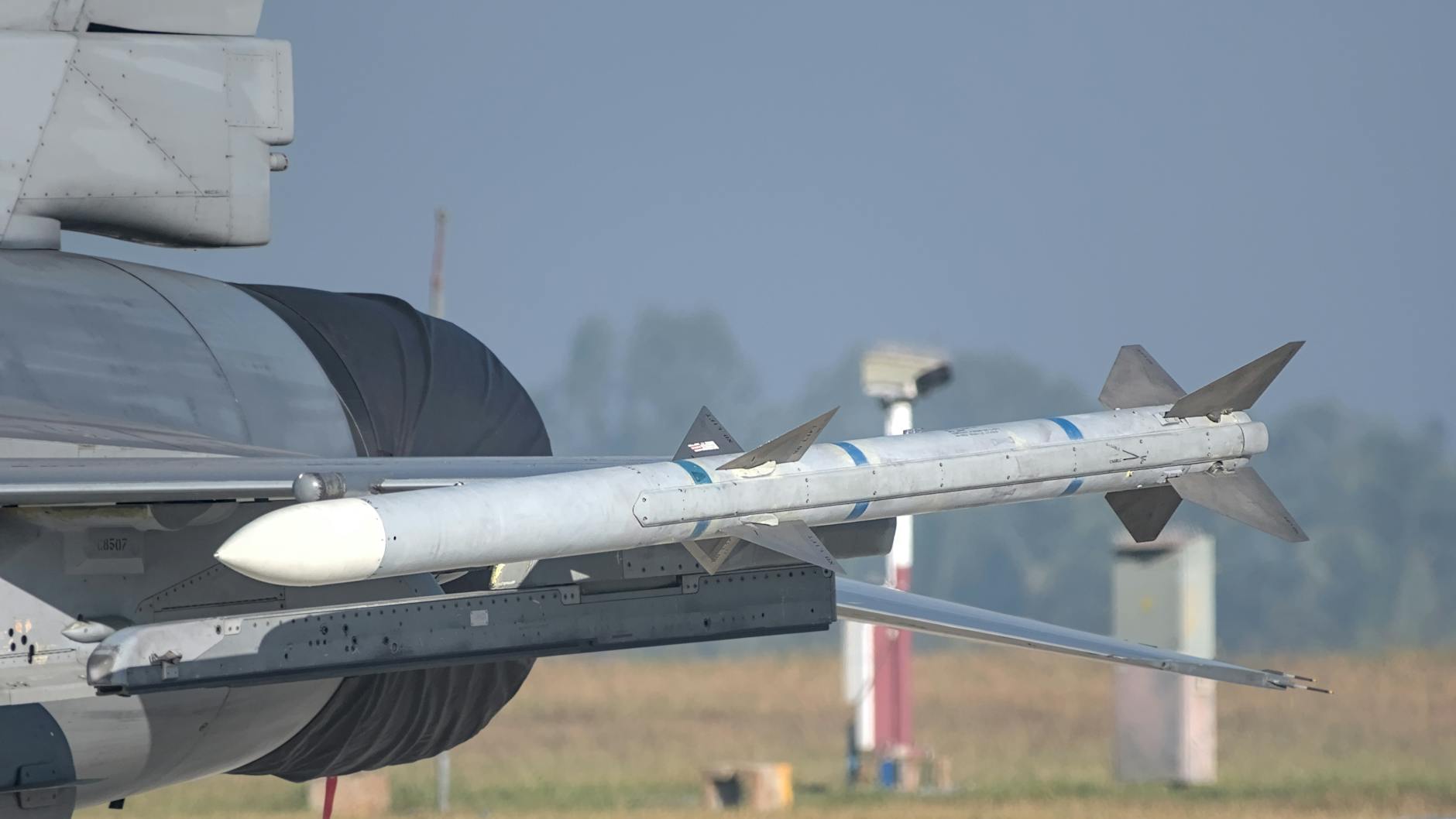
In a deeply concerning phase of geopolitical tensions, former President Donald Trump has sharply criticized NATO allies as "paper tigers" for their perceived lack of support during the ongoing conflict with Iran. Meanwhile, the Iranian military launched missiles targeting Israel, leading to a significant escalation in hostilities across the region.
Trump’s Critique of NATO in Light of Iranian Aggression
During a recent press briefing, Trump expressed frustration over NATO's hesitation to back the U.S. military actions in Iran, accusing the alliance of failing to fulfill its obligations as outlined in the North Atlantic Treaty. "The United States has stood by NATO allies, but now it seems we are carrying the burden alone," Trump remarked. This critique raises questions about the future stability and unity of a longstanding alliance formed in 1949.
Under Article 5 of the NATO treaty, an armed attack against one member is considered an attack against all. However, Trump's statements indicate potential fractures within the alliance, as he suggests that the U.S. may not need to support NATO if allies do not step up.
Ominous Developments in the Middle East
Simultaneously, tensions escalated dramatically as Iranian forces launched a series of missile strikes towards Israel—a retaliation perceived as a direct response to earlier Israeli attacks on Iranian military sites. Reports indicate that at least one missile struck a busy commercial street in Tel Aviv, resulting in casualties among civilians.
According to Israeli military sources, air defense systems have been activated to intercept the incoming projectiles. Citizens across Israel received emergency alerts, urging them to take shelter. "The situation remains volatile as both sides prepare for further military engagement," an Israeli defense spokesperson stated.
In related news, Bahrain's Interior Ministry issued alarms warning residents to "head to the nearest safe place," following a targeted Iranian attack that sparked a fire at an undisclosed facility. The ministry highlighted the urgency for the public to remain vigilant, as tensions threaten broader regional security.
Iranian Missile Strikes and Retaliation Threats
Iranian officials assert that their missile strikes represent a legitimate exercise of military power in defense against foreign aggression. The Iranian Revolutionary Guard Corps (IRGC) has communicated a warning emphasizing that any attack on Iranian facilities will lead to exacting heavy retaliatory strikes on corresponding locations in allied nations.
Speaking from Tehran, Iranian commentators have voiced a collective sentiment that military might is essential to national sovereignty. "Negotiations are not on our terms and can only occur if our territorial integrity is respected," one military analyst noted.
Humanitarian Crisis and Increasing Casualties
The humanitarian crisis continues to escalate, with reports indicating significant casualties among U.S. troops stationed in the region. Over 12 U.S. service members were injured as a result of an Iranian strike on the Prince Sultan Air Base in Saudi Arabia. This marks another grim milestone in a conflict that has already seen over 300 troops wounded since hostilities ignited earlier in February.
State television in Syria has also reported explosions in the capital, intensifying fears that the conflict could spread beyond Iranian and Israeli borders, drawing more countries into a spiraling cycle of violence. Residents remain apprehensive as shared alarms for civilian safety echo through the streets.
Looking Ahead: A Complex Landscape of Alliances
As both the U.S. and Iran prepare for an uncertain future, the complexities of international alliances and military engagement become apparent. A divided NATO amidst increasing aggression from Iran poses risks not just for local, but also global security.
Analysts emphasize the need for a diplomatic approach to defuse the situation before it escalates further. "Dialogue and cooperation are necessary to avoid catastrophic outcomes," urged an international relations expert.
Moving forward, the world watches as these tense relations shape the landscape of U.S. foreign policy and international alliances in an ever-fragile geopolitical context.
For ongoing updates and more detailed coverage, please follow our breaking news coverage.