Oman, February 7, 2026 — In a significant diplomatic update, President Donald Trump has described recent discussions with Iranian officials as 'very good,' suggesting a potential thaw in tensions related to Iran's contentious nuclear program. The talks, which took place in Oman on February 7, were characterized by optimism from the U.S. administration; however, Trump's rhetoric regarding military readiness continues to cast a shadow over the negotiation process.
During a press conference on Friday, Trump noted that the meetings were constructive and expressed hope that both nations could reach some form of agreement to alleviate the international concerns regarding Iran's nuclear ambitions. "We had very good talks. We're moving in a positive direction," Trump stated, reflecting a rare moment of diplomatic optimism in a relationship marked by hostility and distrust.
Context of the Talks
The Iranian nuclear program has been a point of contention for many years, with Western nations, particularly the U.S., fearing that Tehran seeks to develop nuclear weapons capabilities. In return, Iran has claimed that its nuclear endeavors are solely for peaceful purposes. The discussions in Oman form part of lengthy negotiations aimed at reviving the Joint Comprehensive Plan of Action (JCPOA), a nuclear deal that the Trump administration notably withdrew from in 2018.
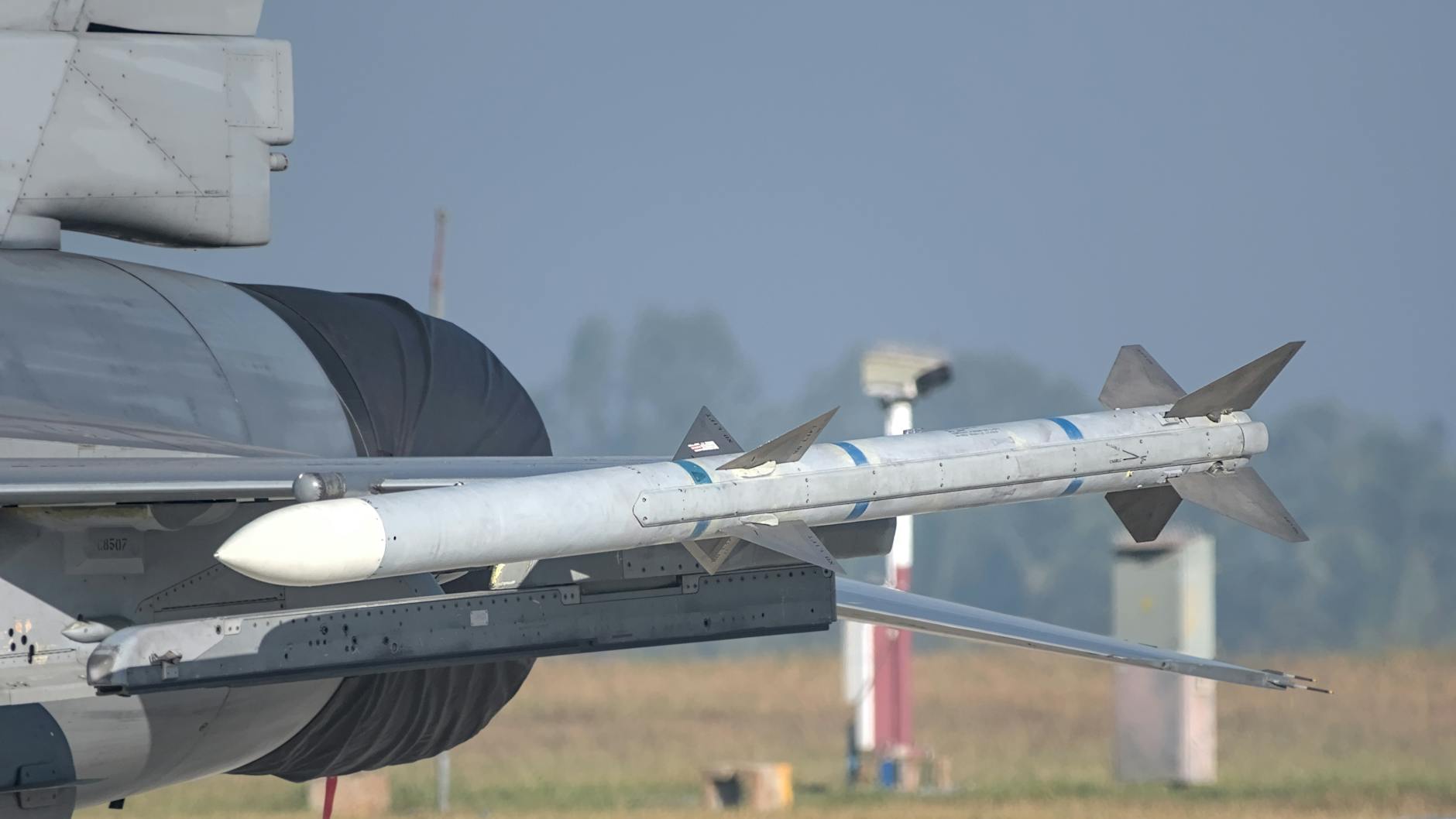
While the tone of the talks appeared amiable, Trump was quick to reiterate the possibility of using military force should diplomatic efforts fail. He emphasized that the U.S. maintains a robust military presence in the region, a strategy aimed at pressuring Iran into compliance with international demands. "We have our military in place, and we’re ready to take action if it's necessary," Trump warned, suggesting that the stakes remain high for both sides.
Reactions from Iran and International Observers
In response to Trump's comments, Iranian officials have been cautiously optimistic but remain wary of the U.S. stance on military intervention. Analysts note that any genuine progress will depend heavily on both sides demonstrating a commitment to dialogue rather than threats.
International observers have welcomed the dialogue but urge caution. Brian Deese, a senior advisor in the Biden administration, noted, “It is crucial that the focus remains on diplomacy rather than military posturing. Military action is not the answer to the complexities of the Iranian situation.”
The Diplomatic Framework Moving Forward
As the negotiations unfold, the international community is monitoring how both parties navigate the complex web of interests involved. Trade sanctions, human rights concerns, and regional security dynamics all play into the broader context of these talks, making it imperative for both the U.S. and Iran to strike a careful balance.
Furthermore, in light of the ongoing geopolitical tensions, analysts argue that countries in the region should also be part of discussions aimed at de-escalating potential conflicts.
Conclusion
While the announcement of positive dialogue is a step forward for U.S.-Iran relations, the looming threat of military action could undermine any potential agreements. As the situation develops, it remains to be seen whether diplomatic efforts will prevail or if the tensions will return to the forefront of international relations.
To stay updated on the latest developments in the U.S.-Iran discussions, follow our ongoing coverage.
Stay connected with us on Facebook | Follow us on Twitter | Share on WhatsApp