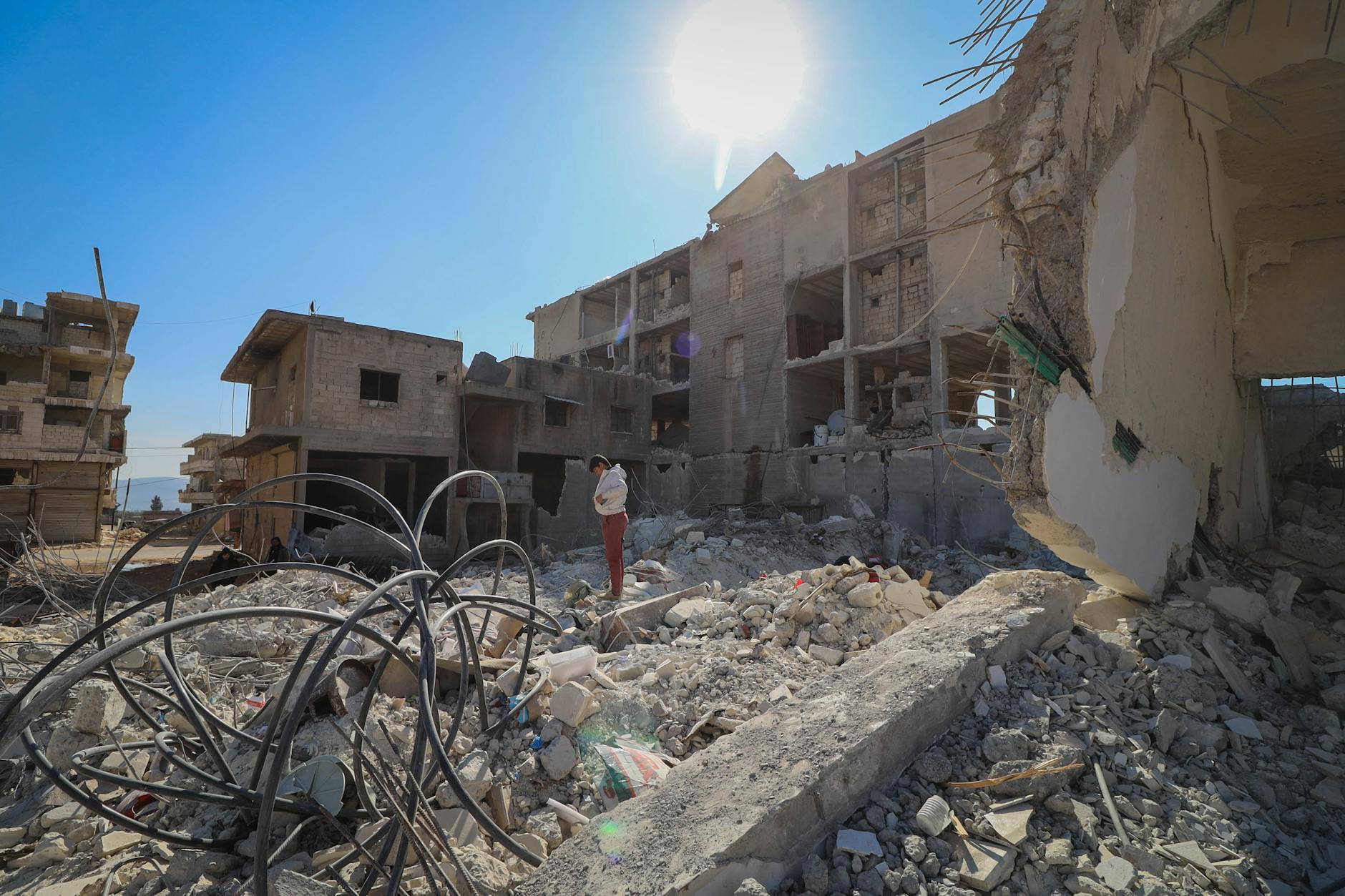
On February 19, 2026, the United States "Board of Peace," an initiative introduced by President Donald Trump, is set to convene for its first meeting in Washington, D.C. The board is designed to oversee governance in the Gaza Strip as part of a broader U.S.-led peace plan, which has drawn both attention and skepticism on the international stage. According to Axios, the meeting will also function as a fundraising event aimed at financing the reconstruction of Gaza, an area currently reeling from the devastation of Israel’s ongoing military operations.

A Meeting with High Stakes
The upcoming board meeting has been tentatively planned for a day after Israeli Prime Minister Benjamin Netanyahu's scheduled visit to the White House. Should Netanyahu attend the meeting, it would signify his first interaction with Arab and Muslim leaders since the onset of Israel's military actions in Gaza, which began on October 7, 2023. The White House and the State Department have so far refrained from commenting on the details of the meeting.
The board's formation has sparked criticism, with many observers labeling it as a modern-day colonial administrative authority. Critics argue that it represents an effort by Trump to supplant traditional international bodies like the United Nations with a forum more aligned with U.S. interests.
Controversial Appointments and Implications
The board reportedly includes prominent figures such as Netanyahu and former British Prime Minister Tony Blair, both of whom bring their own controversies to the table. Netanyahu remains under an International Criminal Court warrant related to allegations of war crimes committed during the conflict in Gaza. The inclusion of Blair, who has a history of involvement in controversial foreign interventions, has also raised eyebrows.
Trump and members of his administration, including his son-in-law Jared Kushner, have portrayed Gaza as a potential future hub for technological innovation and economic development. This perspective overlooks pressing concerns regarding the political status and rights of Palestinians and raises questions about accountability for potential war crimes committed against civilians in the region.
International Reactions and Future Concerns
As tensions remain high and humanitarian crises worsen, the timing and composition of the "Board of Peace" has fueled intense discussions among international diplomats and media. The U.N. Secretary-General has recently called for immediate humanitarian aid to Gaza, highlighting the dire situation as Israel continues to impose blockades, thereby limiting medical evacuations at key border points.
Meanwhile, Trump’s board is seen as a potential threat not only to diplomatic efforts in Gaza but also to traditional international cooperation mechanisms. As critics voice their concerns about the board's motivations and goals, its meeting poses essential questions about the future of peace initiatives in the region.
The implications of this meeting and the actions of the board will likely reverberate far beyond Gaza, affecting international relations and the ongoing struggles for justice and resolution in the Israeli-Palestinian conflict. As the date approaches, global attention will remain fixed on this gathering of leaders and the decisions they may take regarding one of the most contentious geopolitical crises of our time.
Recommended Stories: