In a pivotal moment for U.S. foreign policy, the Senate has decided not to impose new limitations on President Trump’s military authority regarding operations in Iran. This decision comes amidst escalating tensions following recent military engagements between Iran and both U.S. and allied forces. As the situation develops, Canadian Prime Minister Mark Carney has hinted at his country’s potential involvement, further complicating the geopolitical landscape.
Senate Vote: A Test of Congressional Authority
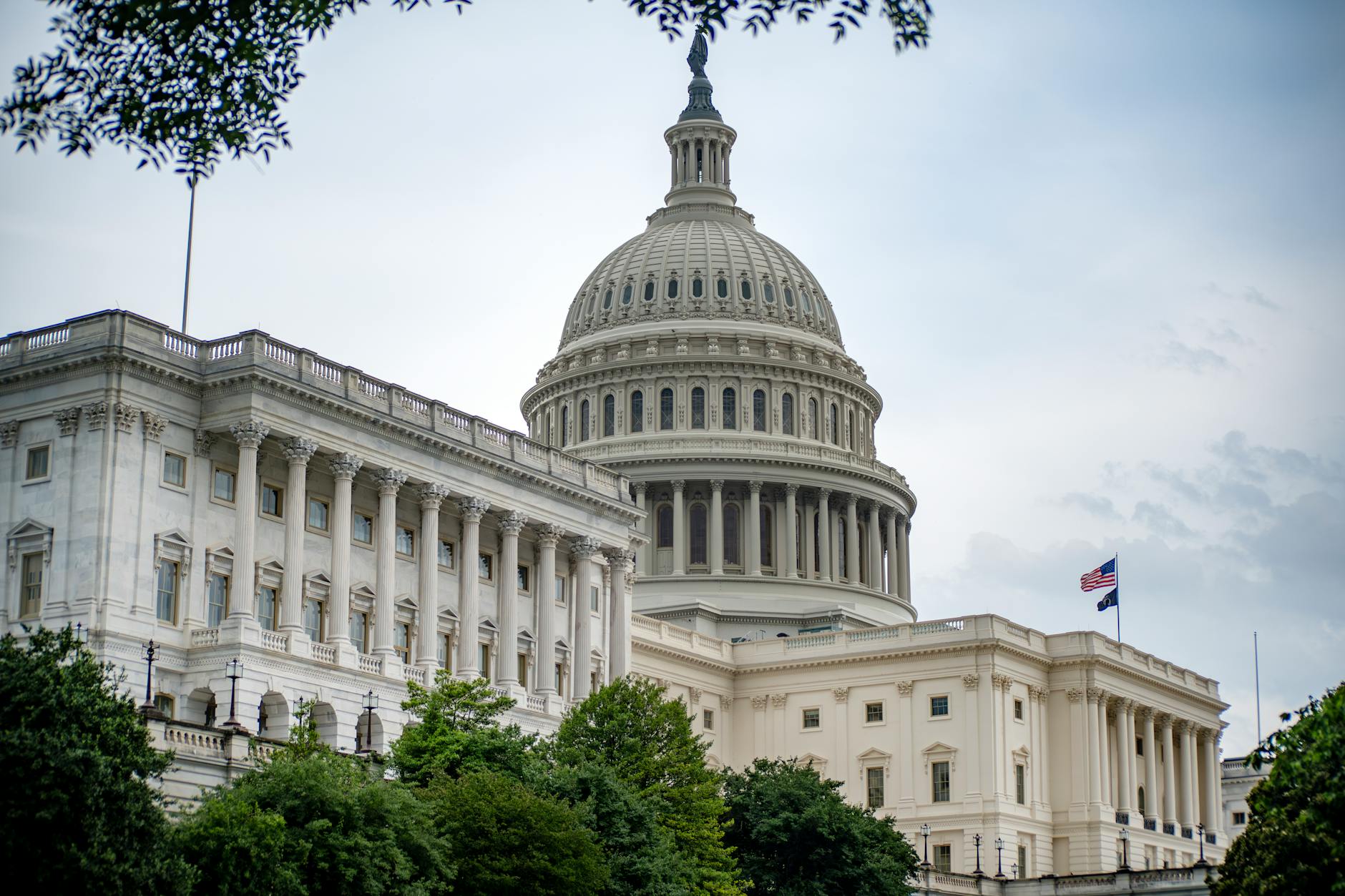
Despite widespread calls for congressional oversight, the U.S. Senate voted to support President Trump's current military actions in the Middle East, effectively maintaining the status quo on his war powers. This decision raises concerns over the executive branch's unchecked authority in military affairs, as critics argue that Congress should have a more substantial role in decisions that lead to war.
The vote signals a troubling trend for anti-war advocates, who fear that without stringent checks, the situation in Iran could spiral further out of control. As tensions mount, the potential for more severe conflict increases, with many Americans expressing alarm at the direction of U.S. military involvement abroad.
Iran’s Military Actions: Responding to Perceived Threats
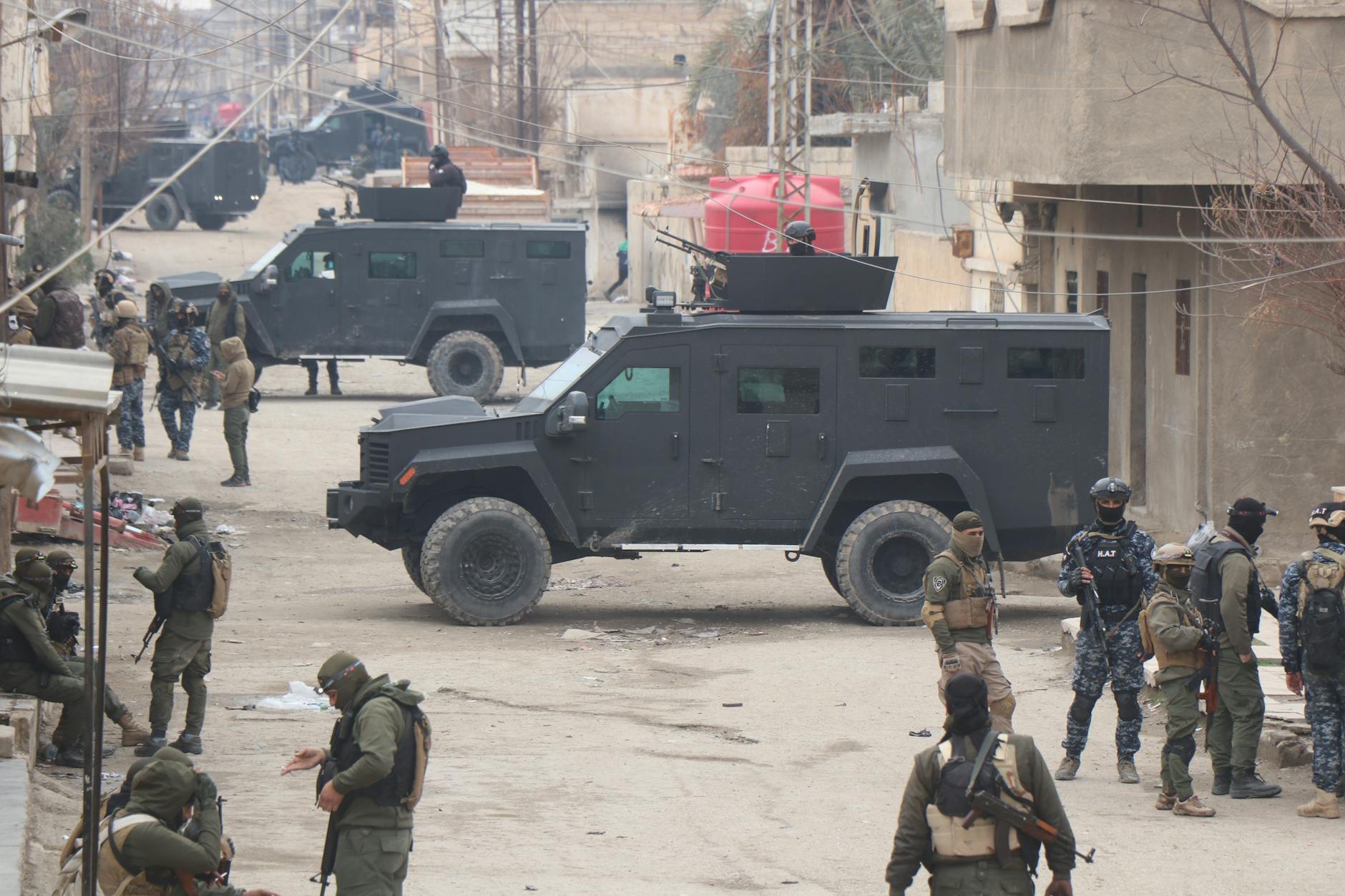
In the Middle Eastern theater, Iran has ramped up military operations, claiming to target 'separatist forces' in Iraq's Kurdistan region. This assertive stance reflects Iran’s commitment to defending its national interests, as the country faces pressure from external enemies, including the U.S. and its allies. With a death toll surpassing 1,000 people due to ongoing conflicts, the humanitarian implications are dire, exacerbating an already volatile situation.
Increased Military Strikes
The escalation of military strikes not only indicates Iran's resolve to respond to threats but also raises questions about the safety and stability of the region. International observers are closely monitoring these developments, as the ramifications extend beyond Iran to neighboring nations and global dynamics.
Canadian Involvement: A Potential Shift in Foreign Policy
Adding another layer to this complex situation, Canadian Prime Minister Mark Carney, during a press conference in Canberra, acknowledged that while he advocates for de-escalation of the conflict, he cannot definitively rule out Canada's military involvement. This statement underscores the unpredictability of international relations in an era marked by military intervention.
As Canada discusses its stance, public sentiment appears divided, with some citizens urging for a more measured approach to overseas conflicts. Carney’s remarks suggest that Canada is weighing its options in alignment with its allies, particularly as the U.S. continues its military involvement in Iran.
A Call for De-escalation
With rising casualties and increasing military maneuvers, calls for diplomatic solutions grow louder. Activists and world leaders are urging the U.S. and its allies to prioritize negotiations over military action. They argue that a military intervention would lead to catastrophic consequences, drawing parallels to previous conflicts that had long-lasting negative effects on the region.
Public opinion remains a crucial element in shaping future policies. As citizens across North America begin to engage more critically with government decisions, the pressure on lawmakers to reevaluate military strategies may intensify.
Conclusion: An Uncertain Future
As the political landscape evolves, the stakes for the U.S., Canada, and Iran grow increasingly high. With the Senate supporting Trump’s war powers, and Canada contemplating its potential military engagement, the future of U.S.-Iranian relations remains uncertain. The world watches closely, hoping that diplomacy will eventually take precedence over military action, preserving peace amidst one of the most strained periods in recent history.
For ongoing updates and comprehensive analyses of the situation, follow our news portal.