In the latest developments surrounding the spinning conflict between the United States, Israel, and Iran, President Donald Trump has made a controversial statement regarding potential military actions against Iran. Speaking at a public event, he proclaimed that regions in Iran "not hit before" should now be considered for "complete destruction" if Iran does not surrender unconditionally. This follows a series of hostile engagements that have raised alarms in conflict-hit areas.
Intensifying Conflict
The current episode in the ongoing conflict escalated yesterday, marked by exchanges of fire between Israel and Iran. Air raid sirens blared across northern Israel, including Jerusalem and Tel Aviv, indicating imminent threats to the Israeli populace. In the wake of these events, Iranian President Ebrahim Raisi reiterated Iran's openness to de-escalation on the condition that neighboring territories are not utilized for attacks against his country. However, the chance for peace seemingly dimmed when Trump announced further strikes against Iran from U.S. bases in the Gulf, undermining Iranian efforts for dialogue.
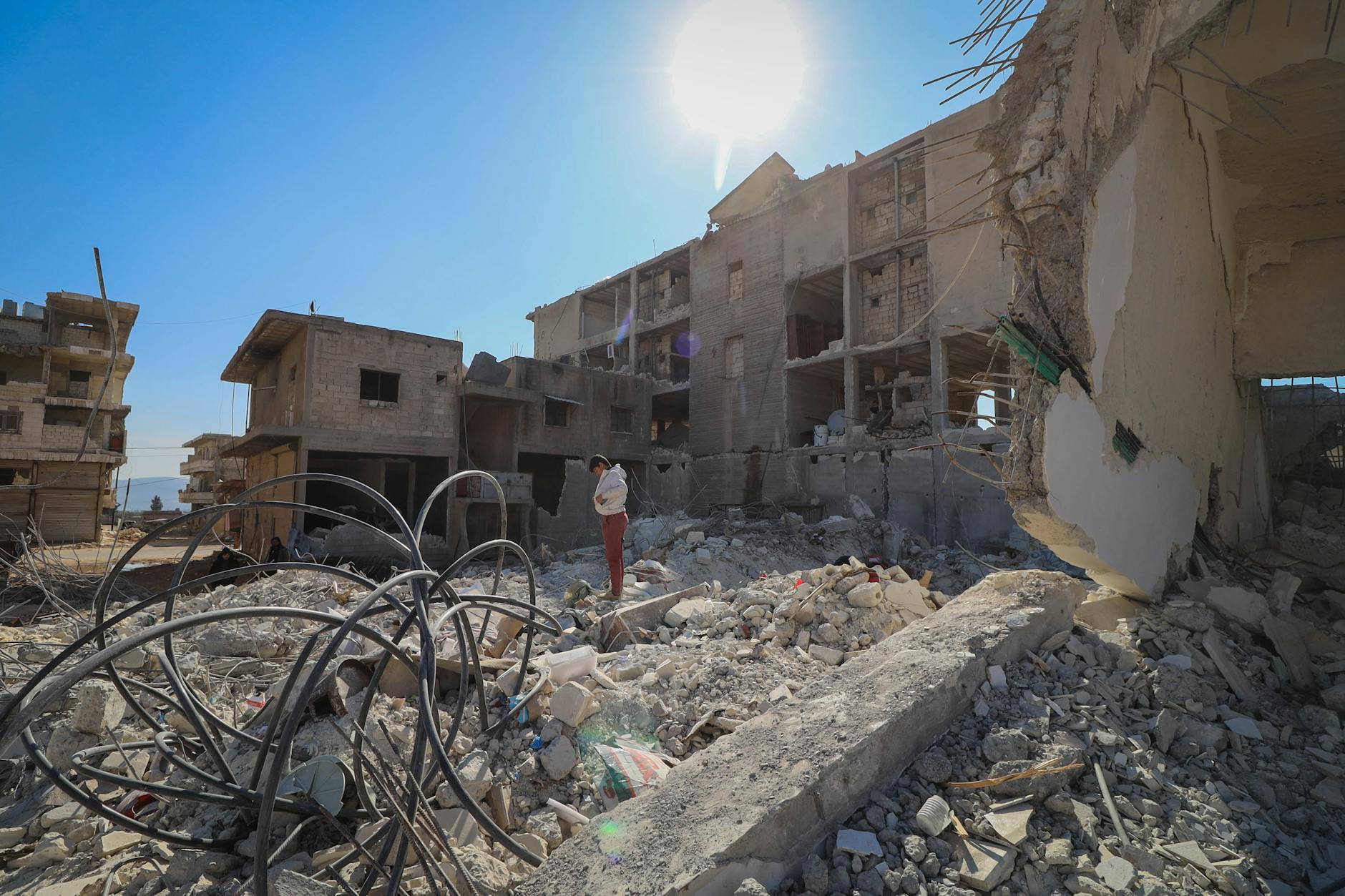
The violence has spilled into Lebanon, where Israeli Prime Minister Benjamin Netanyahu confirmed actions against the town of Nabi Chit in the Bekaa Valley, resulting in heavy casualties—at least 41 reported dead, according to various sources. Al Jazeera's correspondents described a "violent" strike on the Haret Hreik neighborhood in southern Beirut that further exacerbated tensions in the region.
Regional Reactions
In a stark reminder of the regional implications of this conflict, Qatar's Ministry of Defense announced that the nation faced missile threats from Iran, with a reported 12 ballistic and cruise missiles launched toward its territory. Qatar's armed forces intercepted six ballistic missiles and both cruise missiles, averting potential disaster. Their military declared readiness to defend against future threats in what seems to be an expanding web of hostilities drawing in multiple nations.
Saudi Arabia also reported intercepting eight drones entering its airspace, though details remain scarce regarding the origin of these threats. Such incidents demonstrate the escalating regional dynamics that have intensified over the past few weeks.
International Accountability and Calls for Peace
As the humanitarian costs steadily mount, international actors are voicing firm calls for restraint. Oman has recently taken the lead in diplomatic efforts, holding discussions with various ambassadors to emphasize the urgent need to halt hostilities in the region. Omani Foreign Minister Sayyid Badr bin Hamad Albusaidi highlighted the need for broad cooperation among nations to resolve this crisis, framing the cessation of conflict as "a supreme national and pan-Arab interest."
U.S. Secretary of State Marco Rubio has made headlined decisions too, approving the sale of over 20,000 bombs to Israel, justifying it as an emergency measure. Such maneuvers raise concerns about the potential escalation of violence, as international watchdogs continue to report on the usage of heavy munitions in densely populated areas and the ongoing humanitarian crisis affecting civilian populations, particularly in Gaza.
Conclusion
The recent statements and military maneuvers by key players in this conflict herald a troubling trajectory, with escalating threats and regional repercussions plaguing the Middle East. As diplomatic channels attempt to address the intensifying conflict, the impacts on global peace and security cannot be understated. Analysts and world leaders urge for immediate cessation of hostilities amidst fears of a broader war, while civilians in affected areas remain caught in the crossfire. The international community watches closely, hoping for a resolution that can bring stability back to the region.
For up-to-date information on this developing story, you can follow Al Jazeera's ongoing coverage and read more about the conflict's implications on global peace and humanitarian efforts.