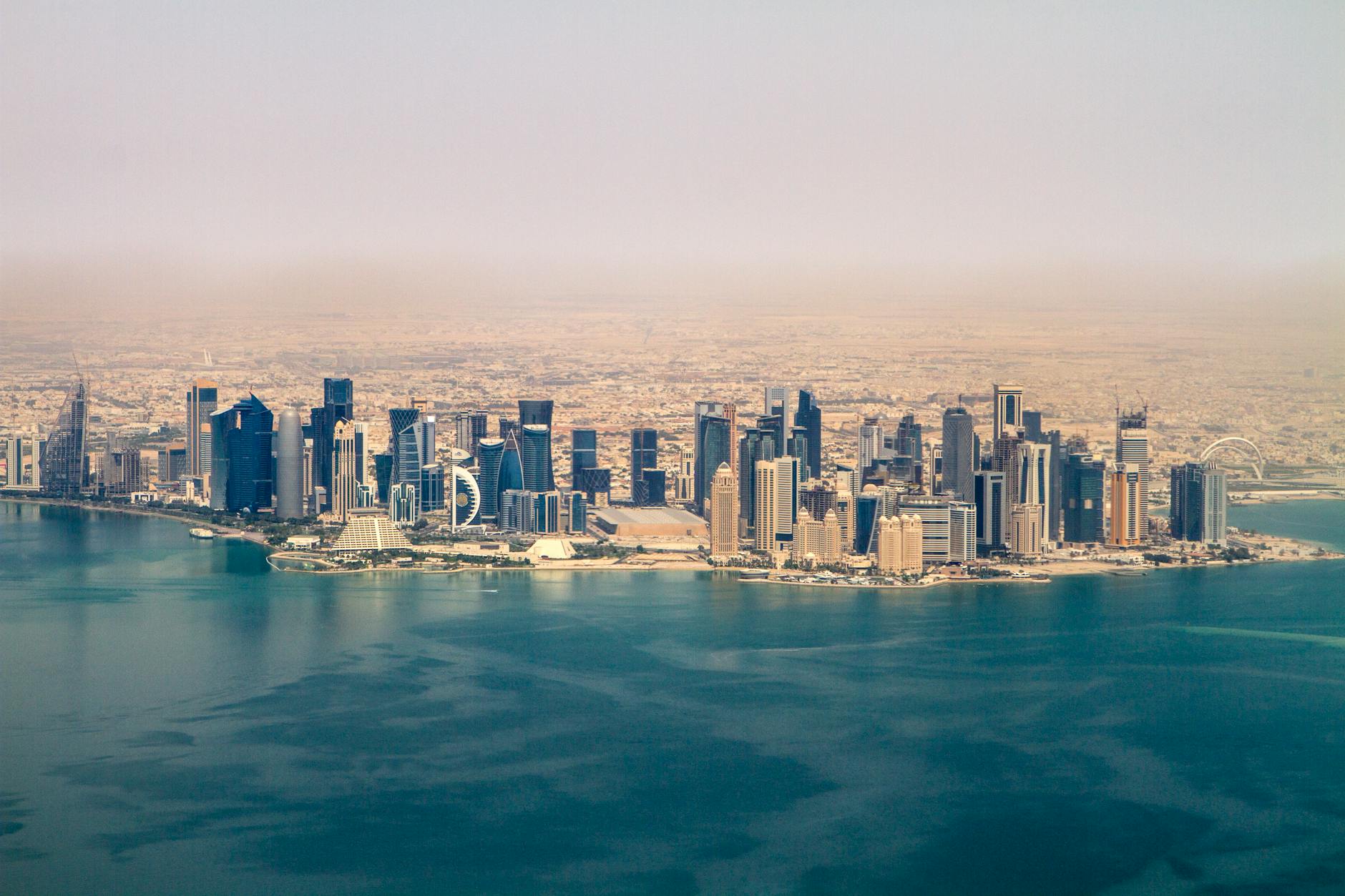
In a significant diplomatic fallout, Qatar has ordered Iranian security officials to depart from its territory following a series of violent attacks that have escalated tensions in the Gulf region. This directive comes in the wake of an assault on Ras Laffan, one of Qatar's key industrial sites, which underscores the increasingly volatile situation in the area.
Background on the Attacks
On March 19, 2026, Saudi Arabian authorities reported that two of its refineries, located near Riyadh, were also targeted in these coordinated attacks. The situation has led to heightened security concerns, particularly among neighboring countries who fear that widespread conflict may emerge.
According to sources, the Iranian government has denied any involvement in the strikes, which have been viewed as direct assaults on Saudi and Qatari sovereignty. However, the undeniable repercussions have forced Qatar to take drastic measures, signaling its discontent with Iran's actions.
Iranian Response
In a demonstrate of solidarity and anger towards these recent developments, Iranians in Tehran have staged rallies where effigies of Israeli Prime Minister Benjamin Netanyahu and U.S. President Donald Trump were burned. This act was meant to commemorate those who were victims of the U.S. strike on the warship IRIS Dena, an event that has galvanized public sentiment against perceived external threats.
"The burning of effigies reflects a deep-seated resentment toward those seen as oppressive forces against the Iranian people," commented a political analyst familiar with the region’s complex geopolitics.
The Role of External Powers
The response from both Iran and the Gulf Arab states has drawn significant attention from global superpowers, particularly the United States. The ongoing tensions pose a challenge not only to regional peace but also have implications for global energy markets, given the critical infrastructure that has been targeted.
While the U.S. has called for heightened vigilance and cooperation among its allies in the Gulf, it remains to be seen how these nations will navigate their response to Tehran's actions. The international community is wary of escalating military confrontation in the region.
Diplomatic Channels at Risk
Qatar’s decision to expel Iranian officials might close the door on potential diplomatic negotiations that could de-escalate the situation. Historically, Qatar has maintained a nuanced relationship with Iran, often acting as a mediator in regional disputes. This recent action might signal a shift in that stance, emphasizing Qatar's alignment with Saudi Arabia and other Gulf Cooperation Council (GCC) states.
As this conflict evolves, nations across the globe will be watching closely. The lingering question remains: can diplomatic channels still be utilized, or are we witnessing the beginning of a more entrenched conflict in the Gulf?
Conclusion
The escalating tensions following attacks involving Iranian forces underscore the fragility of peace in the Gulf region. With Qatar taking a firm stand against Iran, and Saudi Arabia fortifying its defenses, the growing discord necessitates urgent international attention and intervention to prevent further escalation. As regional powers draw lines in the sand, the prospect for a peaceful resolution still hangs in the balance.
For continued coverage and in-depth analysis, stay tuned to our news portal as the situation develops.