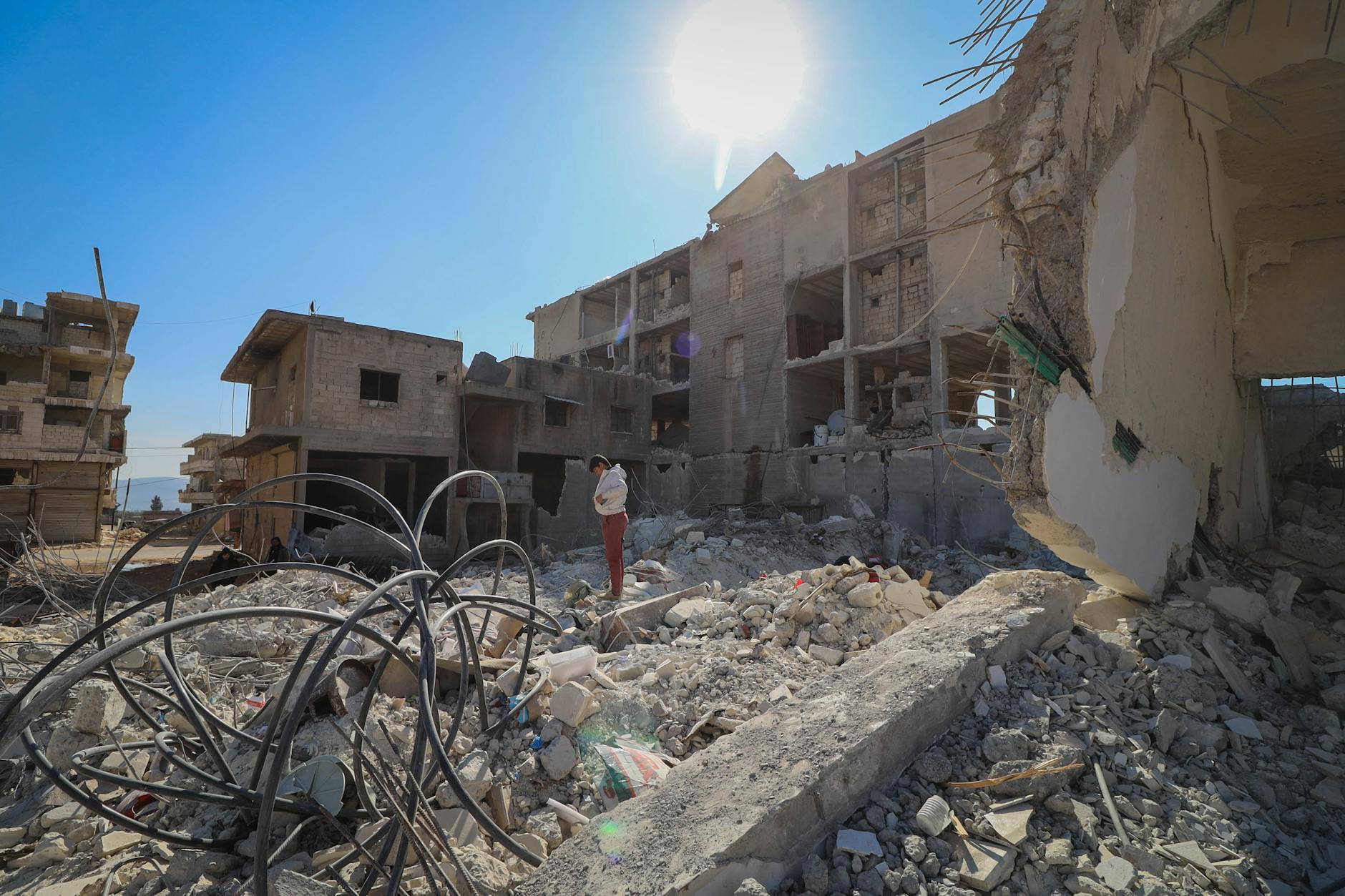
In a rapidly deteriorating situation in the Middle East, Iran has accused the United States and Israel of targeting nearly 10,000 civilian sites since the onset of hostilities just over a week ago. This alarming assertion comes amidst a backdrop of heightened military actions, dire humanitarian concerns, and increasingly vocal responses from neighboring countries. As the conflict escalates, the region faces unprecedented challenges that threaten not just military stability but also civilian safety and regional diplomatic relations.
US-Israeli Military Actions Intensify
Iranian authorities reported that the sustained aerial bombings by the US and Israel have resulted in over 1,300 civilian fatalities, with the impact felt across urban centers. The Iranian military asserts that this extensive campaign has led to significant destruction and civilian distress, prompting retaliatory measures including drone and missile attacks on regional adversaries.
In a reported response, Iranian forces launched drone assaults targeting oil fields in Bahrain and Saudi Arabia. Iran's military confirmed a drone strike against an Israeli oil facility in Haifa. These actions mark a significant escalation in military operations and demonstrate Iran's willingness to retaliate against perceived aggressors.
Further complicating the military landscape, the Pentagon has reported approximately 140 US service members wounded in the conflict, adding to concerns about the potential for a broader military confrontation in the region.

Regional Responses and Humanitarian Crisis
As violence spills beyond Iran's borders, regional countries are responding to escalating threats. Reports indicate that Bahrain, Iraq, Kuwait, Qatar, UAE, and Saudi Arabia have intercepted Iranian missiles and drones, highlighting a collective regional defense effort amid rising tensions.
Lebanon also faces turmoil, with Israeli airstrikes in southern Beirut claiming 570 lives just this past week. The Lebanese government has issued evacuation orders, leading to large civilian displacements. Reports from journalists indicate that entire populations are fleeing from southern suburbs while others are preparing for potential international humanitarian crises.
Spanish Foreign Minister Jose Manuel Albares has warned that any Israeli ground invasion of Lebanon would be a “tremendous mistake,” signaling international concern regarding the potential for profound humanitarian repercussions stemming from military engagement.
Iran's Domestic and International Stance
Internally, tensions within Iran are rising, as Police Chief Ahmed-Reza Radan warned that protesters opposing the government during foreign attacks would be treated as “enemies.” Tailored to suppress dissent, this declaration reflects the Iranian regime’s fragility amid external pressures, particularly with US President Donald Trump encouraging dissidents to challenge the government.
Iran's Foreign Minister, Mohammad Javad Zarif, also stated that negotiations with the US are off the table, citing "a very bitter experience" from past attempts at diplomacy. This position underscores the fractious nature of US-Iran relations and the diminishing prospects for negotiations aimed at de-escalating tensions.
Broader Implications and Economic Fallout
The conflict has far-reaching implications, especially concerning global oil markets. A surge in oil prices is projected to impact food costs globally. Experts warn that Iranian threats to close the Strait of Hormuz, a vital artery for oil transportation, could precipitate a crisis of unprecedented proportions should military engagements escalate further.
In light of these developments, analysts are observing increasing regional discontent toward both the United States and Israel, as Gulf Cooperation Council (GCC) countries express frustration over the conflict's consequences on their security and economic interests.
Senior fellow at the Middle East Institute, Jason Campbell, notes that anger towards the US and Israel is beginning to surface as these nations confront the fallout of Iran’s retaliatory measures and the resulting instability.
Conclusion: A Call for Caution
As the conflict unfolds, the potential for a wider regional war looms large. The significant civilian toll, the fracturing of diplomatic relations, and the overarching economic implications create an urgent scenario that calls for careful deliberation and international intervention. The prioritization of humanitarian aid and diplomatic dialogue is essential to mitigate an already volatile situation. The approaching days are critical in determining whether this conflict can be contained or if it will trigger a larger-scale crisis in the Middle East.
The world watches closely as events continue to develop. For further updates and in-depth analysis, stay tuned to our ongoing coverage.