In a shocking turn of events, Iran's Supreme Leader Ayatollah Ali Khamenei has been confirmed dead following a series of aerial attacks attributed to the United States and Israel early Saturday morning. The strikes have not only taken Khamenei’s life but also reportedly claimed the lives of his daughter, grandson, and son-in-law, marking a significant escalation in tensions between Iran and the West.
Details of the Attack
The Iranian news agency Fars reported that Khamenei was killed while “performing his assigned duties” at his office. Subsequent attacks on various targets across Iran led to widespread panic and chaos, with multiple explosions echoing throughout Tehran. These strikes have been described as part of a coordinated military operation aimed at crippling Iran's leadership post, which is perceived as a threat by both the U.S. and regional adversaries.
Reaction from Iranian Authorities
The Iranian Revolutionary Guard Corps (IRGC) has expressed profound sorrow at the demise of its leader, referring to him as a “great leader” whose martyrdom signifies the righteousness of his leadership and the ongoing struggle against what it calls "the most vicious terrorists." The IRGC's statement vowed that the Iranian nation would seek revenge, pledging to remain steadfast in confronting both domestic and foreign conspiracies.
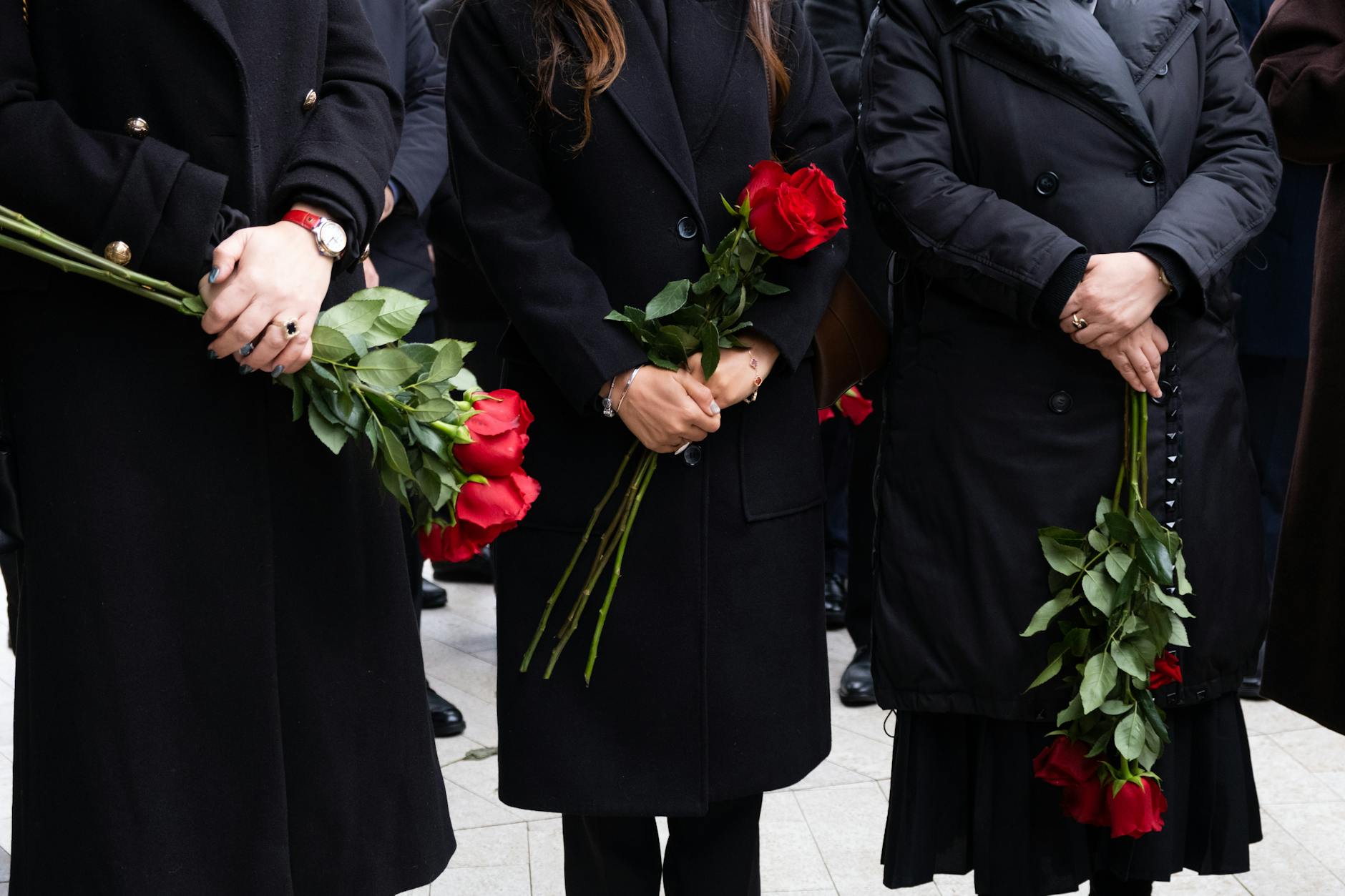
Amidst these developments, Iran has declared a 40-day mourning period, with seven days of public holidays anticipated as officials navigate the complex fallout of Khamenei’s assassination.
Public Outcry and Mourning
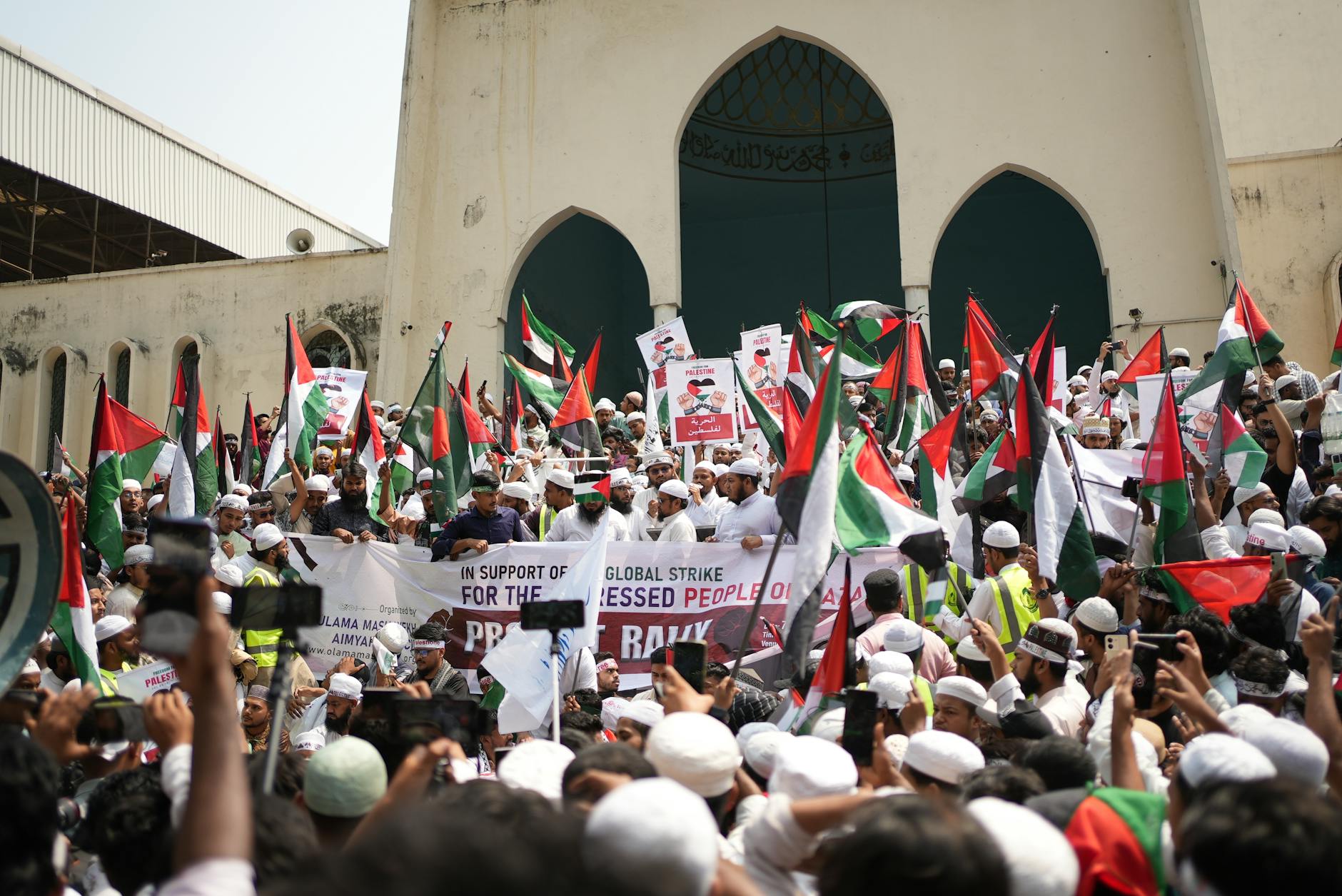
Reports are emerging from Tehran of citizens pouring into the streets in response to the shocking news, mirroring the deep emotional connection many Iranians feel towards Khamenei, who has been a central figure in Iran's political landscape since the 1989 death of the Islamic Republic's founder, Ayatollah Ruhollah Khomeini. Observers note that Khamenei's death could elevate him to a martyr status among his supporters, comparable to Khomeini, solidifying his legacy in the narrative of the Islamic Republic.
Khamenei’s Legacy
Khamenei’s role in shaping Iran’s military strategies and foreign policy is notable. His command during the Iran-Iraq war and his enduring distrust towards Western nations, particularly the U.S., fundamentally shaped Iran's engagement with the world. Experts suggest that Khamenei’s assassination represents not only the loss of a key leader but potentially sets a new phase of aggressive U.S.-Iran relations.
Implications for the Region and Beyond
As the world reacts, key players have begun to weigh in. Reza Pahlavi, son of the last Shah of Iran, expressed optimism in a post on social media, stating, “their hour of liberation is at hand,” referencing the opportunity for change within Iran. Meanwhile, U.S. defense officials are proclaiming a plan to “destroy” Iran’s navy in light of recent escalations.
Trump, who has resumed his commentary on the incident, pledged that Israel's attacks would continue "as long as necessary," signaling a potential prolongation of hostilities.
Democratic responses within the U.S. government vary widely, highlighting the divisiveness of military interventions overseas. While some criticize Trump's unilateral approach, others call for a focused strategy addressing a myriad of threats posed by Iran.
Conclusion
The killing of Ayatollah Khamenei marks a pivotal moment in Iranian history and its ongoing conflict with the United States. As Iran enters a period of mourning and retaliation begins to be hinted at, the international community watches closely, anticipating how this loss will reshape regional dynamics and provoke inevitable responses from both sides.
For ongoing coverage and more updates, stay tuned to our news portal.