In a startling escalation of military confrontations, President Donald Trump announced that the United States plans to "finish the Iran job" as strategic objectives appear to be nearing completion. This comes on the heels of intense US-Israeli attacks in Iran, which have tragically resulted in at least 2,076 deaths and over 26,500 injuries among the civilian population.
Strategic Escalation
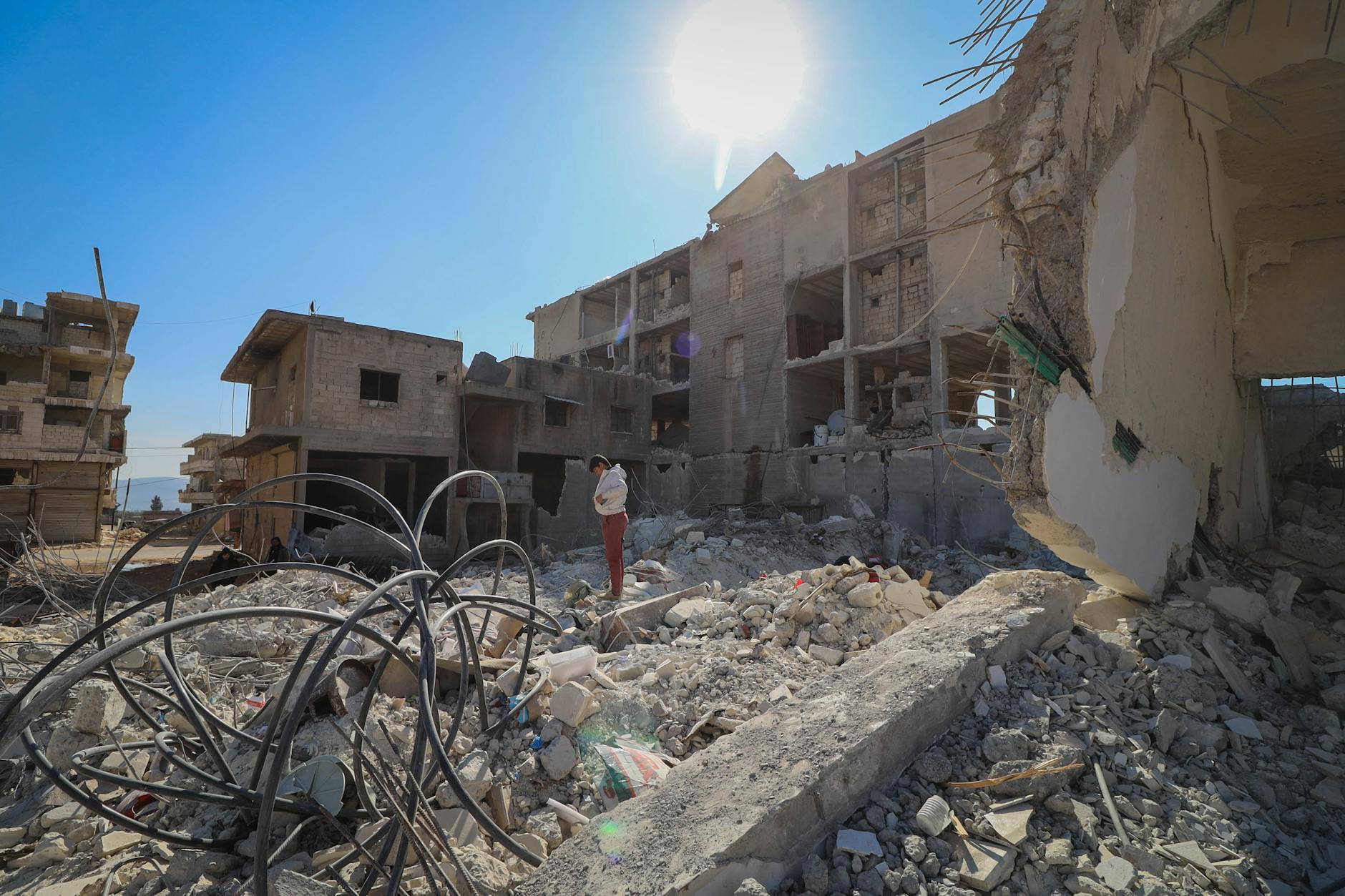
Recent news reports detail significant aerial bombardments targeting Iran's infrastructure, including a century-old medical research center in Tehran and other critical civilian facilities. Critics are raising serious concerns about the legality and moral implications of these actions, labeling them as potential war crimes due to their impact on civilian lives. Many analysts argue that such attacks are indicative of an evolving strategy that disregards humanitarian norms.
In recent comments, President Trump stated on social media that US military operations have barely begun and hinted ominously at upcoming strikes on infrastructure, specifically mentioning bridges and electric power plants. He emphasized the urgency of supporting Iranian opposition forces, declaring, “New Regime leadership knows what has to be done, and has to be done FAST!”
Casualty Report and Civilian Impact
The continuous military operations have led to profound humanitarian implications. The recent battlegrounds have included populated urban centers, increasing the likelihood of civilian casualties. Reports indicate that many Iranians view these strikes not only as acts of war but as crimes against humanity that threaten their survival. With power blackouts reported in major cities such as Tehran and Karaj, everyday life has been severely disrupted. Iranians are bracing for further assaults, and the government has responded with a defiant stance against US pressures to negotiate under duress.
Regional Reactions and International Involvement
In light of the escalating conflict, neighboring countries such as Saudi Arabia, Kuwait, and the UAE have also come under threat, with Saudi forces successfully intercepting multiple drones purportedly launched from Iranian territory. Additionally, Kuwait has dealt with a fire incident at its airport, further highlighting the regional fallout from the ongoing conflict.
Pakistan has announced its intent to mediate in the dispute, even as tensions rise, showing an effort to de-escalate the situation despite the violence. Meanwhile, UK Prime Minister Keir Starmer convened leaders from 40 countries to discuss reopening the vital Strait of Hormuz, which carries approximately one-fifth of the world’s oil and natural gas supplies. This meeting underscores the global stakes tied to the regional conflict.
UN Security Council Developments
The UN Security Council has rescheduled its vote regarding a resolution aimed at ensuring the safety of commercial shipping in the Strait of Hormuz to Saturday—a move reflective of the complex geopolitical dynamics in play. The proposed resolution includes provisions that would allow for defensive action to protect shipping routes, although many observers believe it is unlikely to pass given strong opposition from key member states like China.
Domestic Implications in the US
Domestically, the conflict has sparked unrest and debate regarding military funding and diplomatic strategies. The sudden retirement of several high-ranking US military officials, including Army Chief of Staff Randy George, raises questions about leadership stability amid this turbulent time. Reports suggest that Secretary of Defense Pete Hegseth has made sweeping changes in military leadership, indicating potential shifts in strategic military focus.
Conclusion
The unraveling situation between the US, Iran, and connected nations poses a significant threat to regional and global stability. With civilian casualties on the rise and diplomatic solutions appearing increasingly tenuous, the international community is left to call for an urgent resolution before the conflict spirals even further. The stakes have never been higher, and the world watches closely as developments continue to unfold.
For ongoing updates and analysis on the situation, please refer to our live coverage.