As the geopolitical landscape continues to shift dramatically in the Middle East, Kuwait has issued a critical warning following Iranian attacks that led to a fire on a Kuwaiti oil tanker in Dubai. This incident, part of a series of escalatory actions involving Iran and its adversaries, has further destabilized the region and triggered alarm over potential ecological disasters and wider confrontations.
Iranian Assaults on Maritime Targets
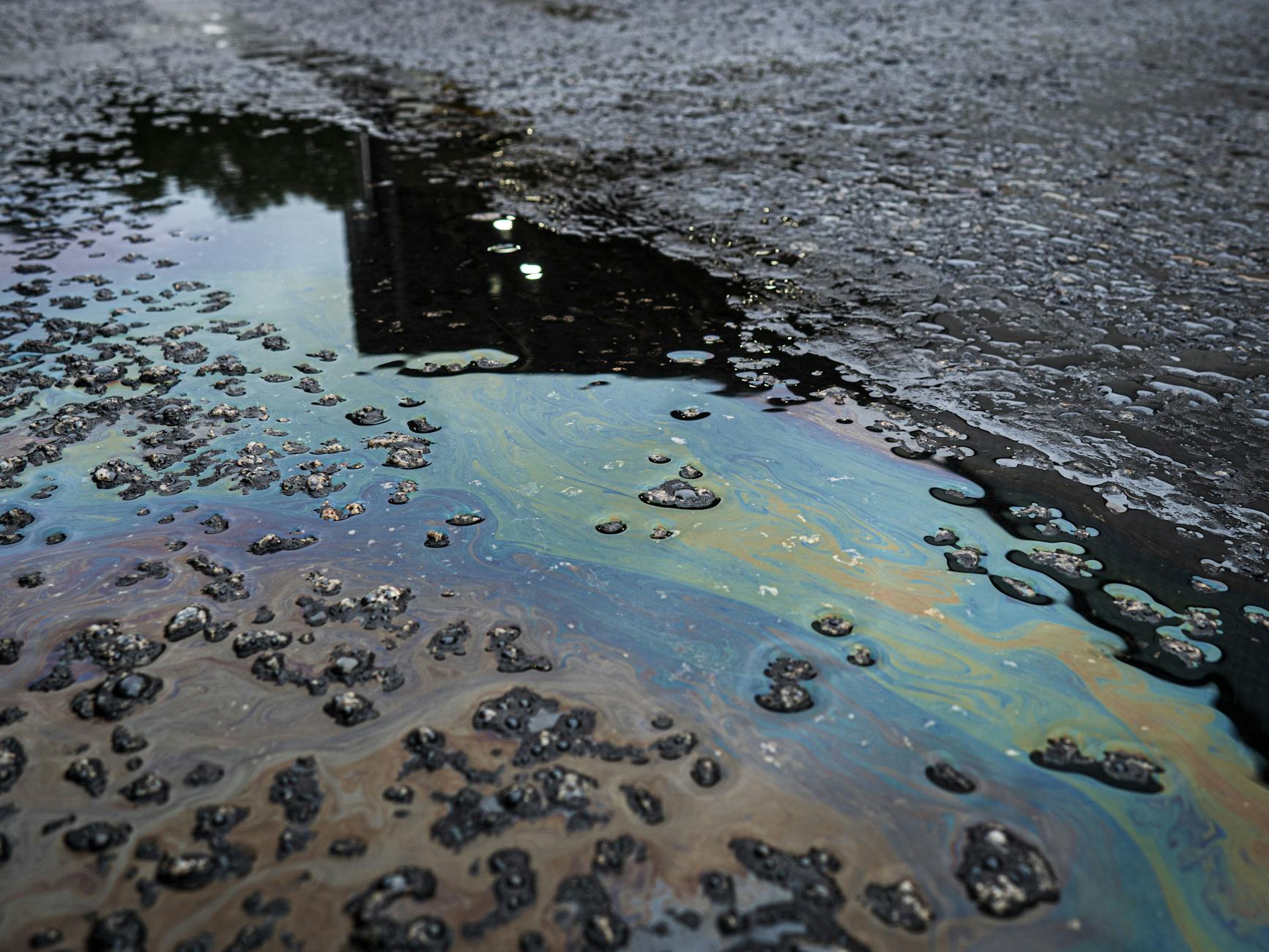
The recent attacks on maritime vessels, particularly the Kuwaiti tanker, highlight a troubling pattern of aggression by Iran. The incident in Dubai is indicative of Iran’s expanding reach and willingness to assert its influence through military means, not just on land but also at sea. Officials in Kuwait have expressed serious concerns regarding the potential for an oil spill, stressing that a maritime disaster would have dire consequences for the Gulf’s sensitive ecosystem.
“We are prepared to tackle any repercussions, but the risk of an oil spill is particularly worrying,” an official remarked during a press conference in Kuwait City. The call for international support to safeguard the delicate marine environment was echoed within the statements of environmental watchdogs who warned that such an event could lead to irreversible damage.
Regional Responses to Iranian Aggression
In the wake of these incidents, regional neighbors have responded vocally. At a summit in Jeddah, Saudi Arabia, Qatar, and Jordan condemned Iran's aggressive tactics, calling for a collective stance against further hostilities. Saudi Arabia has long been a vocal opponent of Iranian influence, especially after experiencing its own series of confrontations in recent years.
Meanwhile, France has called for an emergency session of the United Nations Security Council to address the conflict, particularly following the death of three UN peacekeepers in Lebanon amid ongoing violence linked to Hezbollah, an Iran-aligned militia. The murders of these peacekeepers underscore how far-reaching the consequences of regional tensions can be, extending to international peacekeeping efforts.
Economic Implications and Market Reactions
The consequences of this escalating conflict are not limited to political and military implications. Asian equities have taken hits as investor confidence wanes amidst fears of a broader military confrontation. South Korea, heavily reliant on Middle Eastern oil, is seeing significant economic stress, prompting President Lee Jae Myung to propose a supplementary budget of $17.3 billion to mitigate the economic fallout from the conflict.
Analysts have warned that if this conflict continues to escalate, the ramifications could extend beyond immediate military impacts, likely leading to soaring global oil prices and economic instability in countries reliant on Middle Eastern energy.
Growing Concerns for Peace
As calls for dialogue become more urgent, Pakistan has stepped forward, positioning itself as a potential mediator in the conflict. Meetings between diplomats from Saudi Arabia, Turkey, and Egypt suggest a growing diplomatic effort to secure a ceasefire following the escalating violence.
"This may be an opening for meaningful discussions," remarked a Pakistani official. However, skepticism remains high given the entrenched positions of both Iran and its adversaries.
Calls to Action from Global Leaders
Environmental groups have sounded alarms, indicating that the first month of conflict has cost consumers and businesses over $100 billion due to rising oil prices. Organizations like 350.org are urging governments to impose taxes on the windfall profits that energy companies are set to make during this crisis, advocating that the funds should be used to alleviate the burden on the public.
In this critical juncture, nations worldwide are urged to examine the broader implications of their foreign policies, energy dependencies, and ecological responsibilities to mitigate both the short- and long-term impacts of the conflict.
As the situation continues to develop, global leaders and local populations alike are left reeling from the pervasive effects of military action, urging a swift resolution to prevent further deterioration of stability in the region. The eyes of the world remain on the Middle East as the consequences of this conflict spill over borders, affecting lives far beyond those immediately involved.
For ongoing coverage and updates on this evolving story, stay tuned as we follow the developments surrounding the rising tensions in the Middle East.