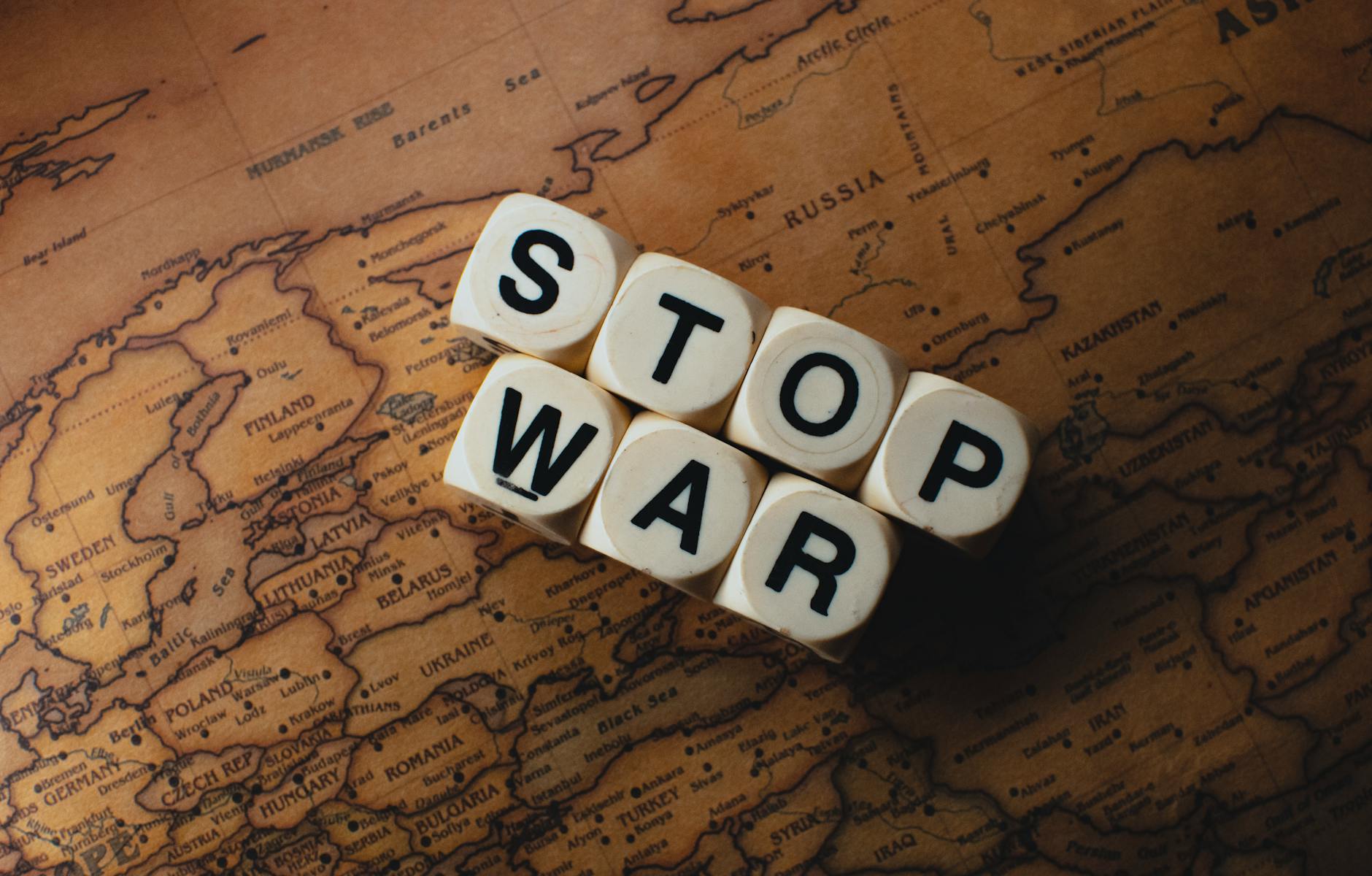
A Fractured Middle East Security Landscape
In the backdrop of the protracted U.S.-Israel conflict with Iran, Secretary of State Mike Pompeo has unequivocally demanded that Iranian authorities acknowledge their imminent defeat. During a high-stakes global address early this week, Pompeo warned that failing to accept this reality would result in Iran facing consequences unprecedented in modern history. As tensions escalate, the impact reverberates not just in Iranian borders but extends throughout the Gulf region, affecting neighboring nations and global oil markets.
GCC Faces Increased Threats Amid Ongoing Attacks
On the same front, the Gulf Cooperation Council (GCC) is preparing for an emergency meeting in Riyadh to address the rising tide of hostilities. Recent intelligence reports have indicated that a staggering 85% of drone and missile attacks launched from Iran have been aimed at GCC member states. Despite not being directly involved in the conflict, countries such as Saudi Arabia and the UAE find themselves embroiled in violence that threatens both their national security and economic stability.
In remarks made ahead of the meeting, GCC spokespersons articulated concerns over the vulnerability of their energy infrastructures, residential areas, and airports. The increased hostilities have heightened the urgency for a unified response, as regional allies grapple with the unpredictability of Iran's military ambitions.
Bombings and Explosions: The Situation on the Ground
Reports have emerged of explosions near Birjand city in Iran’s eastern province of South Khorasan, an area experiencing an alarming uptick in military activity. These explosions reveal the potential for further escalation in an already volatile region. As the Iranian military—the Islamic Revolutionary Guard Corps (IRGC)—asserts its offensive capabilities, regional stability hangs in the balance. The IRGC has declared a new wave of operations targeting U.S. and Israeli military installations, further complicating an already tangled web of geopolitical negotiations.
Economic Impacts: South Korea Responds to Rising Oil Prices
South Korea has announced a significant $17 billion supplementary budget aimed at mitigating the economic fallout from rising energy prices. In light of the ongoing conflict in the Middle East, officials have noted that exorbitant gas prices threaten national economic stability, prompting emergency measures, including the expansion of fuel tax cuts. Similar sentiments are echoed throughout Asia, where countries brace for civil unrest fueled by dwindling fuel supplies and soaring costs.
A Call for Peace: Global Perspectives on Negotiation
Amid the chaotic scene, China has called for all involved parties to engage in “meaningful and sincere” peace talks. Officials in Beijing reaffirmed their commitment to promoting de-escalation and dialogue, indicating a desire to stabilize not only regional relations but also global oil markets affected by the conflict.
China’s proactive stance may become increasingly significant as the potential for oil prices to approach $120 per barrel looms, driven by possible escalations in military action and a tightening of supply chains.
Looking Ahead: Regional Security Architecture
As this ongoing crisis unfolds, serious questions arise regarding the future security architecture of the Middle East. The longstanding reliance of GCC countries on U.S. security guarantees is being critically reassessed by regional analysts and policymakers alike. With evident cracks in reliance on foreign protection, discussions surrounding self-reliance in security and defense have surfaced as a growing necessity.
The upcoming GCC meeting promises to outline a strategy for navigating these treacherous waters, balancing immediate military readiness with long-term stability efforts. All eyes will be on the decisions made in Riyadh, as multifaceted pressures from Iran and the broader consequences of the U.S.-Israel conflict loom significantly over the Middle East.
Conclusion
As the conflict escalates and diplomatic endeavors seem to stall, the future remains uncertain. Both regional and global stakeholders grapple with the implications of a protracted war, domestic unrest, and shifting power dynamics, framing a narrative that could define the geopolitical landscape for years to come. The world watches closely as leaders navigate this treacherous phase of diplomacy, military action, and economic strain, hoping for a path that leads not to further conflict but to lasting resolution.